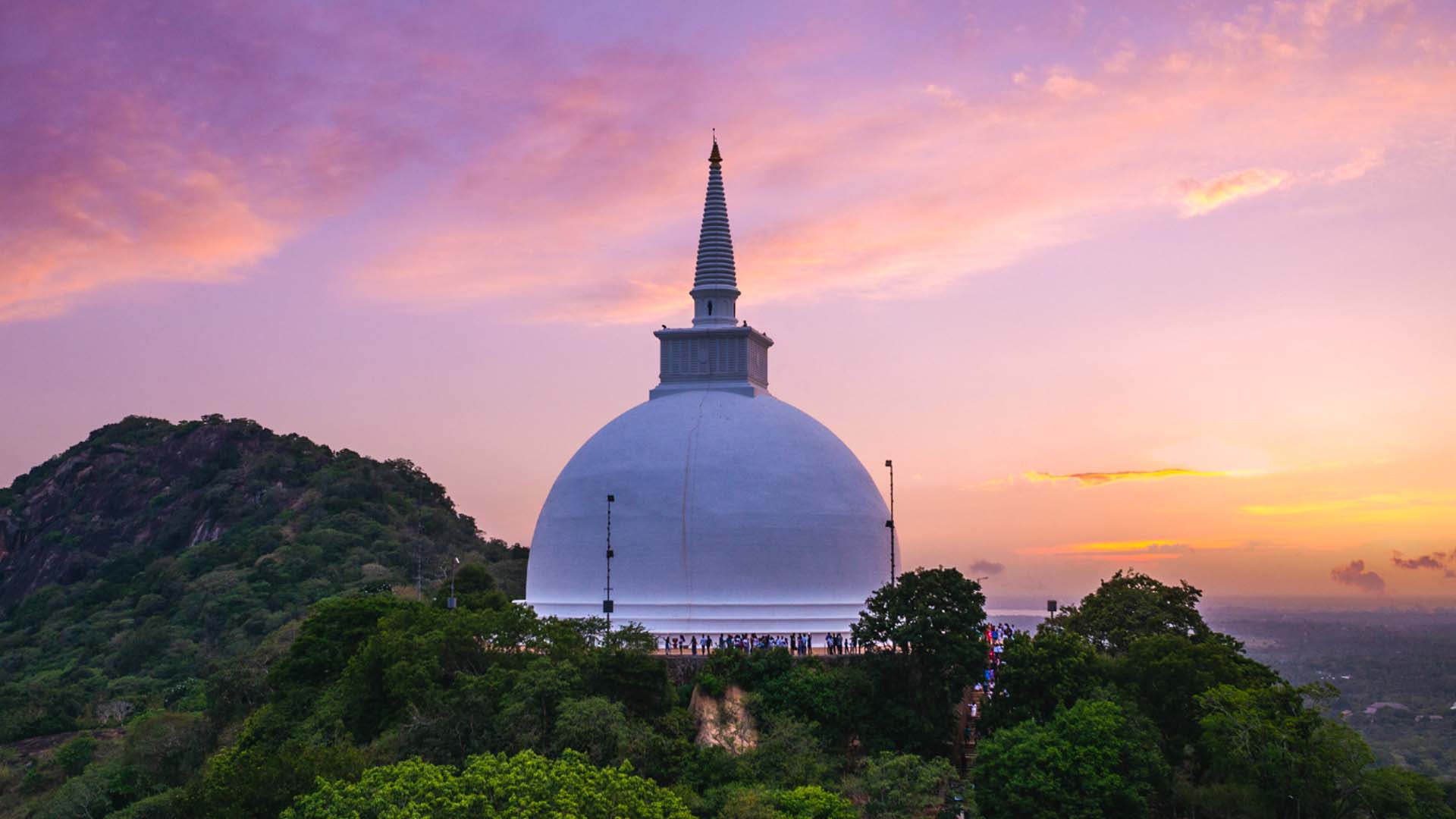
Anuradhapura is one of the most important heritage destinations in Sri Lanka and one of the most meaningful places to visit for travelers interested in history, Buddhism, archaeology, and sacred landmarks. UNESCO describes the Sacred City of Anuradhapura as a political and religious capital that flourished for around 1,300 years and was established around a cutting from the Buddha's tree of enlightenment brought there in the 3rd century BC. That alone makes Anuradhapura one of the strongest city tourism pages you can build for Sri Lanka, because it combines global heritage value with strong spiritual and historical appeal.
What makes Anuradhapura tourism so special is the scale and importance of its ancient city landscape. This is not a destination built around one monument. It is a sacred and archaeological region filled with stupas, monasteries, shrines, reservoirs, and ruins that reflect the depth of Sri Lanka's early civilization. UNESCO highlights its palaces, monasteries, and monumental remains, while Sri Lanka tourism content presents Anuradhapura as one of the island's best-loved sacred cities, drawing both pilgrims and sightseers. That combination gives the city broad travel appeal, from spiritual visitors and cultural travelers to families and first-time explorers of Sri Lanka's heritage circuit.
For many visitors, the greatest significance of Anuradhapura lies in its sacred Buddhist landmarks. UNESCO notes that the city was established around the sacred Bodhi tree cutting brought by Sanghamitta, which remains one of the most spiritually important symbols of the site. Sri Lanka tourism sources also highlight major religious and archaeological attractions such as Sri Maha Bodhi, Ruwanweliseya, Thuparamaya, Lovamahapaya, Abhayagiri, Jetavanaramaya, and Isurumuniya. These places are not only famous within Sri Lanka but are also among the most respected Buddhist and historical landmarks in South Asia.
Another reason Anuradhapura performs so strongly as a tourism destination is its role within Sri Lanka's wider heritage landscape. Sri Lanka Tourism places Anuradhapura among the country's great ancient cities and heritage zones, showing how naturally it fits into broader cultural travel across the island. That makes it especially attractive for travelers building itineraries focused on history, archaeology, and the island's early kingdoms. It is also a destination where sightseeing feels meaningful, because the monuments are connected to real spiritual traditions, historical power, and the development of Sri Lankan civilization.
Anuradhapura also suits many travel styles. Heritage travelers come for UNESCO recognition and archaeological depth. Pilgrims come for the sacred Buddhist sites. Families and first-time visitors often include it because it offers a powerful educational and cultural experience. It also works well for travelers who want to understand Sri Lanka beyond beaches and hill stations. For Triptoocean users, Anuradhapura is especially valuable as a city tourism page because it answers strong search intent around top places to visit in Anuradhapura, things to do in Anuradhapura, sacred sites in Sri Lanka, and ancient city travel. It is one of the most historically important destinations in the country and one of the clearest examples of Sri Lanka's deep cultural identity.
Read MoreAnuradhapura is famous for its ancient Buddhist heritage, sacred stupas, monasteries, archaeological ruins, and its role as one of the oldest capitals of Sri Lanka. It is one of the country's most important pilgrimage and heritage destinations, attracting travelers who want history, spirituality, architecture, and a deeper understanding of Sri Lanka's early civilization.
Yes, Anuradhapura is worth visiting for tourists who enjoy history, culture, sacred landmarks, archaeology, and meaningful sightseeing. It is especially rewarding for first-time visitors to Sri Lanka, heritage travelers, spiritual visitors, and families who want to experience one of the most historically important destinations in the country beyond beaches and hill stations.
For most travelers, 1 to 2 days are enough to explore Anuradhapura's main highlights at a comfortable pace. A longer stay may be useful for visitors who want to see more archaeological areas, sacred sites, museums, and nearby heritage attractions without rushing. The city is large in historical importance, so extra time can make the experience more meaningful.
The best time to visit Anuradhapura is usually during the drier and more comfortable months when outdoor sightseeing, temple visits, and archaeological exploration feel easier. Many travelers prefer cooler weather because much of the experience involves walking between sacred sites, monuments, and open heritage areas under the sun.
Some of the best places to visit in Anuradhapura include Sri Maha Bodhi, Ruwanweliseya, Jetavanaramaya, Abhayagiri, Thuparamaya, Lovamahapaya, Isurumuniya, and the wider sacred city ruins. These attractions make Anuradhapura one of the strongest destinations in Sri Lanka for travelers interested in Buddhism, archaeology, ancient city planning, and heritage tourism.
Anuradhapura is important because it was one of the great ancient capitals of Sri Lanka and became a major political, religious, and cultural center for many centuries. The city played a central role in the spread of Buddhism on the island and remains one of the most respected sacred and historical destinations in the country.
Yes, the Sacred City of Anuradhapura is a UNESCO World Heritage Site. It is recognized for its exceptional historical, religious, and archaeological value, and it remains one of the most important heritage destinations in Sri Lanka. This UNESCO status makes it especially attractive for cultural travelers and international visitors interested in ancient civilizations.
Sri Maha Bodhi is important because it is believed to have grown from a sacred cutting of the Bodhi tree under which the Buddha attained enlightenment. It is one of the most revered Buddhist sites in Sri Lanka and one of the key spiritual reasons why Anuradhapura is visited by pilgrims and cultural travelers from around the world.
Yes, Anuradhapura is a strong destination for first-time visitors to Sri Lanka who want to understand the island's history, religion, and cultural identity. It gives travelers a deeper perspective on Sri Lanka beyond coastal tourism and is often included in itineraries focused on heritage, sacred cities, and historical landmarks.
Yes, Anuradhapura can work well for family holidays, especially for families interested in history, culture, and educational travel. The city offers a meaningful sightseeing experience with sacred monuments, open heritage areas, and major archaeological landmarks. Families with older children often find it especially rewarding because of its strong historical and spiritual significance.
Yes, Anuradhapura is one of the best destinations in Sri Lanka for spiritual and cultural travel. It appeals to travelers interested in sacred Buddhist landmarks, ancient stupas, monastery ruins, and living religious traditions. The city offers a travel experience that feels both historically rich and spiritually meaningful.
Besides visiting temples and stupas, tourists in Anuradhapura can explore archaeological zones, ancient reservoirs, museum spaces, historic ruins, and wider sacred city landscapes. The destination is appealing not only for religious reasons but also for travelers who enjoy architecture, heritage photography, ancient engineering, and learning about one of South Asia's great early urban centers.
Yes, Anuradhapura is commonly visited as part of Sri Lanka's Cultural Triangle and works very well with other major heritage destinations. It is often included in broader cultural itineraries because it offers one of the deepest and most important historical experiences in the country. For many travelers, it is a key stop in understanding Sri Lanka's ancient past.
Anuradhapura is inland and takes several hours to reach from Bandaranaike International Airport, depending on traffic, route, and transport type. Many travelers use private transfers, road transport, or other longer-distance travel options when heading there. Even with the longer journey, Anuradhapura remains one of Sri Lanka's most important inland heritage destinations.
Visa rules for Anuradhapura follow the wider Sri Lanka entry system. Many short-stay visitors use the Sri Lanka ETA process, while final entry requirements depend on nationality, passport type, and travel purpose. Travelers should always check the latest visa rules before departure and make sure their passport has enough validity for travel to Sri Lanka.
Tourists should wear light and comfortable clothing suited to warm weather, but modest dress is strongly recommended when visiting sacred Buddhist sites and religious landmarks. Comfortable footwear is useful for walking between monuments and open heritage areas. Visitors should dress respectfully because Anuradhapura is both a major heritage destination and an active place of worship.
Anuradhapura can suit different budgets depending on accommodation, transport, dining, and sightseeing plans. It offers practical stays as well as more comfortable options, and many travelers consider it good value because of its cultural depth and heritage significance. Budget depends mainly on how many heritage sites you visit and how you structure your wider Sri Lanka itinerary.
Yes, Anuradhapura is commonly included in wider Sri Lanka itineraries, especially those focused on heritage, sacred cities, archaeology, and inland cultural travel. It fits naturally into broader routes and is often chosen by travelers who want a more complete understanding of Sri Lanka's historical identity alongside nature, beaches, or hill-country destinations.