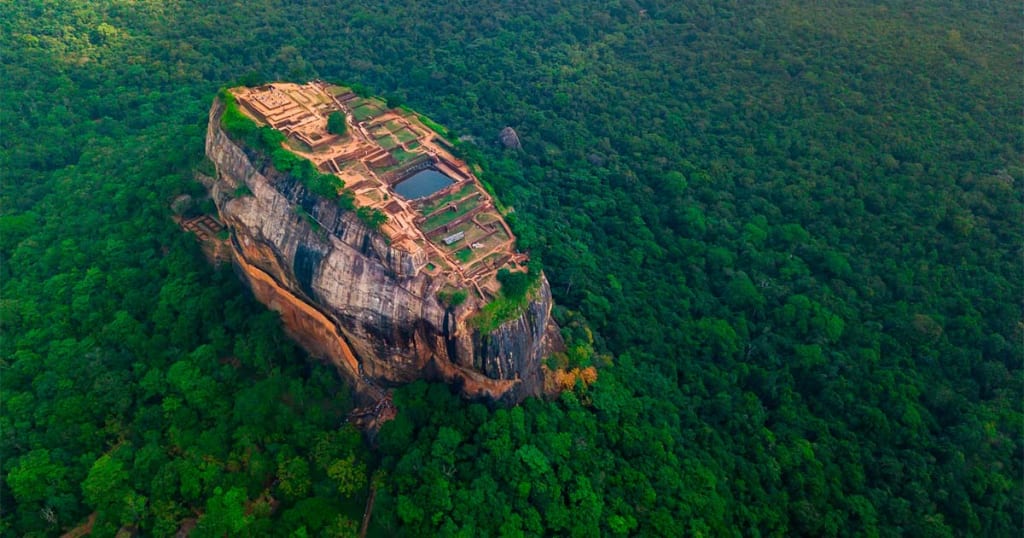
Sigiriya is one of the most iconic travel destinations in Sri Lanka and one of the most searched heritage sites in South Asia. Best known for the ancient rock fortress called Lion Rock, Sigiriya attracts travelers who want history, archaeology, scenic views, and one of the most memorable cultural experiences in the country. UNESCO recognizes the Ancient City of Sigiriya as a World Heritage Site and describes it as the ruins of a royal capital built on and around a steep granite rock rising about 180 metres above the surrounding plain.
What makes Sigiriya tourism so special is that it combines dramatic natural scenery with advanced ancient urban planning. UNESCO highlights the galleries, staircases, lion gateway, and the remains of the palace complex, while official visitor information also emphasizes Sigiriya’s gardens, frescoes, and archaeological importance. This gives the destination a stronger appeal than a simple viewpoint or monument. Travelers come here not only to climb the rock, but also to experience one of Sri Lanka’s greatest cultural landmarks in a setting that feels visually striking from every angle.
For many visitors, the main attraction is the climb to Sigiriya Rock Fortress. The site is widely known for its lion paws entrance, mirror wall, ancient frescoes, landscaped gardens, and the panoramic views from the summit. Official ticketing information for Sri Lanka’s heritage sites also lists Sigiriya Rock Fortress as one of the country’s most popular UNESCO attractions, with current visitor access generally running from 7:00 AM to 5:00 PM. That mix of history and view-based reward makes Sigiriya appealing to first-time visitors, photographers, heritage travelers, and anyone building a broader Sri Lanka itinerary.
Sigiriya is also important because it fits naturally into the wider Cultural Triangle of Sri Lanka. Official heritage ticketing for the Cultural Triangle includes Sigiriya alongside other major sites such as Anuradhapura and Polonnaruwa, which shows how central it is to cultural travel in the country. This makes Sigiriya a practical destination for travelers who want to explore not just one attraction, but a larger historical region filled with ancient cities, temples, museums, and archaeological landmarks.
Another reason Sigiriya stands out is that it works for many different travel styles. Culture lovers come for the UNESCO heritage value, architecture, and history. Nature and photography travelers come for the elevated views and surrounding landscape. Families often like it as a major Sri Lanka highlight, while couples and first-time visitors often include it because it feels both meaningful and visually unforgettable. Because Sigiriya combines heritage, scenery, and strong destination recognition, it performs well as a tourism page focused on attraction highlights rather than only travel planning.
For Triptoocean users, Sigiriya is an especially strong city tourism page because it answers several high-intent searches at once: top places to visit in Sigiriya, things to do in Sigiriya, Sigiriya Lion Rock, and Sri Lanka heritage attractions. Whether someone is interested in ancient history, famous landmarks, panoramic viewpoints, or cultural travel in Sri Lanka, Sigiriya offers one of the island’s most distinctive and memorable experiences. It is not just a stop on a map. It is one of the defining travel icons of Sri Lanka.
Read MoreSigiriya is famous for the ancient rock fortress known as Lion Rock, its UNESCO World Heritage status, ancient frescoes, landscaped gardens, mirror wall, and panoramic views from the summit. It is one of the most iconic cultural and historical attractions in Sri Lanka and is widely recognized as one of the country's most memorable travel landmarks.
Yes, Sigiriya is worth visiting for tourists who want a mix of history, archaeology, scenery, and one of the most iconic cultural experiences in Sri Lanka. It is especially popular with first-time visitors, heritage travelers, photographers, couples, and families who want to explore a landmark that combines natural beauty with ancient urban planning and architectural significance.
For most travelers, 1 to 2 days are enough for Sigiriya. One full day can cover the main rock fortress and nearby highlights, while two days allow a slower experience with time for surrounding attractions, cultural sites, and scenic exploration. Travelers using Sigiriya as part of Sri Lanka's Cultural Triangle often stay longer to include more heritage destinations in the same region.
The best time to visit Sigiriya is usually during the drier and more comfortable months, especially when climbing conditions and outdoor sightseeing feel easier. Many travelers prefer early morning or late afternoon visits to avoid stronger midday heat. Visiting during cooler weather can make the climb, the gardens, and the overall heritage experience more enjoyable.
The best places to visit in Sigiriya include Sigiriya Rock Fortress, the ancient gardens, the frescoes, the mirror wall, the lion paws entrance, and the summit ruins. Travelers often also explore nearby heritage and cultural attractions in the wider Cultural Triangle region, which makes Sigiriya a strong base for history-focused travel in Sri Lanka.
Sigiriya Rock Fortress is important because it represents one of the most remarkable examples of ancient urban planning, royal architecture, and landscape design in Sri Lanka. Built around a dramatic granite outcrop, it combines palace ruins, gardens, frescoes, stairways, and defensive planning, which gives it both historical and architectural importance on a global level.
Yes, the Ancient City of Sigiriya is a UNESCO World Heritage Site. It is recognized for its outstanding archaeological, historical, and artistic value, and it remains one of the most significant heritage landmarks in Sri Lanka. Its UNESCO recognition is one of the main reasons it attracts cultural travelers from around the world.
Yes, Sigiriya is one of the best places for first-time visitors to Sri Lanka because it offers a landmark experience that combines history, scenery, and strong destination identity. It is often included in first-time itineraries because it helps travelers understand Sri Lanka's ancient heritage while also offering one of the most recognizable travel experiences in the country.
Yes, Sigiriya can work well for family holidays, especially for families interested in culture, history, and scenic landmarks. Parents often choose it because it is one of Sri Lanka's most famous attractions and offers a memorable experience beyond beaches and cities. Families with older children usually find the climb and the historical setting especially rewarding.
Yes, Sigiriya can be a good destination for couples because it offers dramatic views, scenic landscapes, cultural depth, and a memorable shared experience. Many couples enjoy the combination of heritage, photography opportunities, sunrise or sunset-style viewpoints, and the chance to explore one of Sri Lanka's most visually striking landmarks together.
Besides climbing Lion Rock, tourists in Sigiriya can explore the ancient water gardens, study the frescoes, walk through the historic site surroundings, enjoy scenic landscapes, and use Sigiriya as a base for wider Cultural Triangle travel. This makes the destination attractive even for visitors who want more than just a climb and are interested in broader heritage exploration.
The Sigiriya Rock climb is manageable for many travelers, but it does involve stairs, elevated pathways, and a moderate level of physical effort. Visitors should wear comfortable footwear, carry water, and plan for warm weather. Many travelers find the climb worthwhile because the historical features and panoramic views at the top create one of the most memorable experiences in Sri Lanka.
Sigiriya is inland and takes several hours to reach from Bandaranaike International Airport, depending on traffic, route, and transport type. Many travelers use private transfers, taxis, or a combination of road and rail travel when building a wider Sri Lanka itinerary. Even with the longer journey, Sigiriya remains one of the country's most visited inland destinations.
Visa rules for Sigiriya follow the wider Sri Lanka entry system. Many short-stay visitors use the Sri Lanka ETA process, while final entry requirements depend on nationality, passport type, and travel purpose. Travelers should always check the latest visa rules before departure and make sure their passport has enough validity for travel to Sri Lanka.
Tourists should wear light and comfortable clothing suited to warm weather, along with good walking shoes for the climb and site exploration. A hat, water, and sun protection are also useful because much of the visit is outdoors. Visitors should dress practically for stairs, open paths, and hot daytime conditions, especially during peak sightseeing hours.
Sigiriya can suit different budgets depending on accommodation, transport, dining choices, and sightseeing plans. It is one of Sri Lanka's major heritage attractions, so travelers often view it as a high-value destination because of its historical importance and iconic status. Budget depends mainly on where you stay and how you combine Sigiriya with nearby cultural destinations.
Yes, Sigiriya is commonly visited as part of a wider Sri Lanka itinerary, especially within the Cultural Triangle. It connects naturally with other heritage destinations, scenic routes, and inland travel plans. For many visitors, Sigiriya is not just a single stop but one of the key highlights in building a broader Sri Lanka cultural and sightseeing journey.