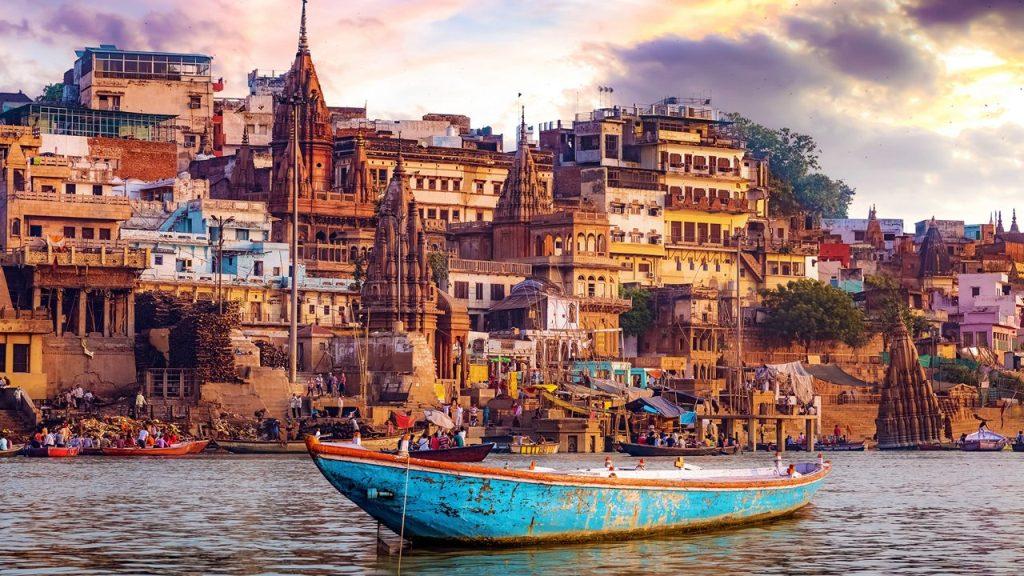
Varanasi is not the kind of place people only visit. It is the kind of place people feel. One of the oldest living cities in the world, Varanasi stands on the banks of the Ganga and holds a spiritual, cultural, and emotional importance that is difficult to compare with anywhere else in India. Incredible India presents Varanasi as one of the country’s most popular tourist destinations, while official local tourism sources highlight its ghats, temples, crafts, sacred atmosphere, and historic identity. That is exactly why Varanasi tourism continues to attract pilgrims, families, foreign travelers, photographers, cultural explorers, and first-time visitors to Uttar Pradesh.
What makes Varanasi so powerful as a destination is that it is not built around a single monument. The city experience itself is the attraction. The ghats, the riverfront rituals, the temple bells, the narrow lanes, the smell of incense, the early morning boat rides, the evening aarti, and the centuries of faith all come together to create something unforgettable. Official Varanasi tourism listings place Shri Kashi Vishwanath Temple, Dashashwamedh Ghat, Assi Ghat, Banaras Hindu University, and Sarnath among the city’s key attractions, which shows how naturally spirituality, history, and daily life blend together here.
For many travelers, the spiritual heart of the city is the Kashi Vishwanath Temple, one of the most famous temples in Varanasi and one of the most important Shiva temples in India. The official temple portal describes it as one of the city’s best-known sacred landmarks, and it remains one of the biggest reasons people search for places to visit in Varanasi. Nearby, Dashashwamedh Ghat is closely associated with the city’s iconic Ganga Aarti, while Assi Ghat is often favored by travelers looking for a slightly more open and relaxed riverfront experience. Together, these places shape the classic image of Varanasi tourism.
Varanasi also has a strong historical and cultural side beyond the ghats. Sarnath, located just outside the city, is one of the most important Buddhist sites in India and adds another layer of significance to the destination. The city is also known for Banarasi silk, crafts, traditional markets, local food, and centuries-old artistic heritage. Official district tourism information highlights the city’s deep strengths in sarees, handicrafts, ornaments, metalwork, and folk art, which means Varanasi is not only a pilgrimage city but also a place where culture is lived and seen in everyday life.
Another reason Varanasi performs so strongly in search is that it suits many different travel intentions. Some people come for spirituality and temple visits. Some come for history, architecture, and heritage walks. Others come for sunrise boat rides, street photography, cultural immersion, and the rare feeling of being in a city where every lane seems to carry memory. Even major seasonal events such as Dev Deepavali add to the city’s search appeal, with Incredible India specifically highlighting how the ghats and riverfront transform into a spectacular scene of lights and ritual.
For Triptoocean users, Varanasi works especially well as a tourism page because it supports several high-intent search themes at once: Varanasi tourism, best places to visit in Varanasi, things to do in Varanasi, Kashi Vishwanath Temple, Ganga Aarti, Varanasi ghats, and Sarnath. Whether someone is looking for spirituality, heritage, riverfront experiences, temple visits, or one of India’s most meaningful cultural cities, Varanasi offers a destination experience that feels timeless and unforgettable.
Read MoreVaranasi is famous for the Ganga ghats, Kashi Vishwanath Temple, Ganga Aarti, spiritual atmosphere, narrow old lanes, sunrise boat rides, Banarasi silk, and its identity as one of the oldest living cities in the world. It is one of the most searched spiritual and cultural destinations in India for pilgrims, heritage travelers, photographers, and first-time visitors.
Yes, Varanasi is worth visiting for tourists who want spirituality, heritage, riverfront experiences, temples, local culture, and one of the most powerful city atmospheres in India. It works especially well for pilgrims, families, culture lovers, foreign travelers, and anyone looking for a destination that feels meaningful, historic, and deeply rooted in tradition.
For most travelers, 2 to 3 days are enough for Varanasi. This usually gives enough time for Kashi Vishwanath Temple, the main ghats, Ganga Aarti, a boat ride, local markets, and a visit to Sarnath. Travelers who enjoy heritage walks, temple visits, or photography often choose to stay a little longer for a slower experience.
The best time to visit Varanasi is usually during the cooler months when walking through the old city, visiting temples, sitting at the ghats, and exploring Sarnath feel more comfortable. Many travelers prefer pleasant weather for morning boat rides, evening aarti, and longer outdoor sightseeing across the riverfront and heritage lanes.
Some of the best places to visit in Varanasi include Kashi Vishwanath Temple, Dashashwamedh Ghat, Assi Ghat, Manikarnika Ghat, Sarnath, Banaras Hindu University area, and the old city lanes. These places make Varanasi one of the strongest tourism destinations in Uttar Pradesh for spirituality, culture, history, and riverfront experiences.
Kashi Vishwanath Temple is important because it is one of the most revered Shiva temples in India and one of the strongest spiritual reasons people visit Varanasi. For many devotees and travelers, the temple represents the sacred identity of the city and remains central to the religious, historical, and cultural significance of Varanasi.
The ghats of Varanasi are famous because they shape the entire riverfront identity of the city and are deeply connected with prayer, rituals, cremation traditions, festivals, and daily spiritual life along the Ganga. They are among the most iconic riverfront spaces in India and one of the main reasons travelers search for things to do in Varanasi.
Yes, Ganga Aarti is one of the most memorable experiences in Varanasi and is absolutely worth watching. It brings together ritual, sound, fire, devotion, and the atmosphere of the riverfront in a way that feels unique to the city. Many travelers consider it one of the most powerful and unforgettable moments of their visit.
Yes, a boat ride is one of the best things to do in Varanasi because it lets travelers see the ghats, temples, riverfront life, and sunrise or evening atmosphere from a completely different perspective. Many visitors find that seeing Varanasi from the Ganga gives them one of the most complete and visually memorable experiences of the city.
Yes, Varanasi is one of the best destinations for first-time visitors to Uttar Pradesh because it combines spirituality, heritage, temples, ghats, local culture, and strong travel identity in one place. It gives travelers a powerful introduction to the state through experiences that feel historic, sacred, and visually unforgettable.
Yes, Varanasi can work well for family holidays, especially for families interested in temples, culture, religious landmarks, riverfront experiences, and educational travel. Families often appreciate the spiritual atmosphere, boat rides, and important attractions such as Sarnath, although the old city can feel crowded and is best explored with a comfortable pace.
Yes, Varanasi is one of the strongest destinations in India for spiritual and cultural travel. It appeals to travelers looking for temples, rituals, heritage lanes, riverfront traditions, sacred city experiences, and a deeper understanding of Hindu religious life. Few destinations in India offer the same level of living spiritual identity as Varanasi.
Besides temple visits, tourists in Varanasi can enjoy boat rides on the Ganga, walk along the ghats, explore local markets, experience Banarasi food, visit Sarnath, discover silk and handicrafts, and photograph the old city atmosphere. This variety makes Varanasi rewarding for travelers who want more than only a religious itinerary.
Yes, Sarnath is one of the most important excursions from Varanasi and is worth visiting for travelers interested in Buddhism, history, and archaeology. It adds another major spiritual dimension to the trip and is often included because it offers a calmer, more historical contrast to the intense and living ritual atmosphere of Varanasi.
Varanasi is well known for Banarasi silk, traditional sarees, handicrafts, metalwork, and old market culture. Shopping in the city is not only about buying products but also about experiencing craftsmanship and local identity. Many travelers include local markets in their itinerary because they add culture, color, and everyday life to the Varanasi experience.
Varanasi is served by an airport outside the old city zone, and travel time to the main tourist areas depends on traffic and where you are staying. Many travelers use taxis, hotel transfers, or private vehicles to reach the ghats, temple zone, and central parts of the city. The airport connection makes Varanasi practical for both domestic and international visitors.
Tourists should wear light and comfortable clothing suited to the season, but modest dress is recommended because Varanasi is a major spiritual city with important temples and religious sites. Comfortable walking footwear is useful for exploring the ghats and old lanes. Visitors should also dress respectfully for temple visits and sacred riverfront areas.
Varanasi can suit different budgets depending on hotel choice, transport, food preferences, and sightseeing style. It offers everything from budget stays and local food to more premium accommodation and curated city experiences. Many travelers like Varanasi because it delivers strong cultural depth and memorable travel value across a wide range of budgets.
Yes, Varanasi is commonly included in wider Uttar Pradesh itineraries and works well with other spiritual, cultural, and heritage destinations in the state. It is often chosen as a major stop because it combines temples, ghats, rituals, crafts, and history in one city, making it one of the most important tourism destinations in North India.