Best Tourist Places to Visit in Jaipur (Pink City) Rajasthan
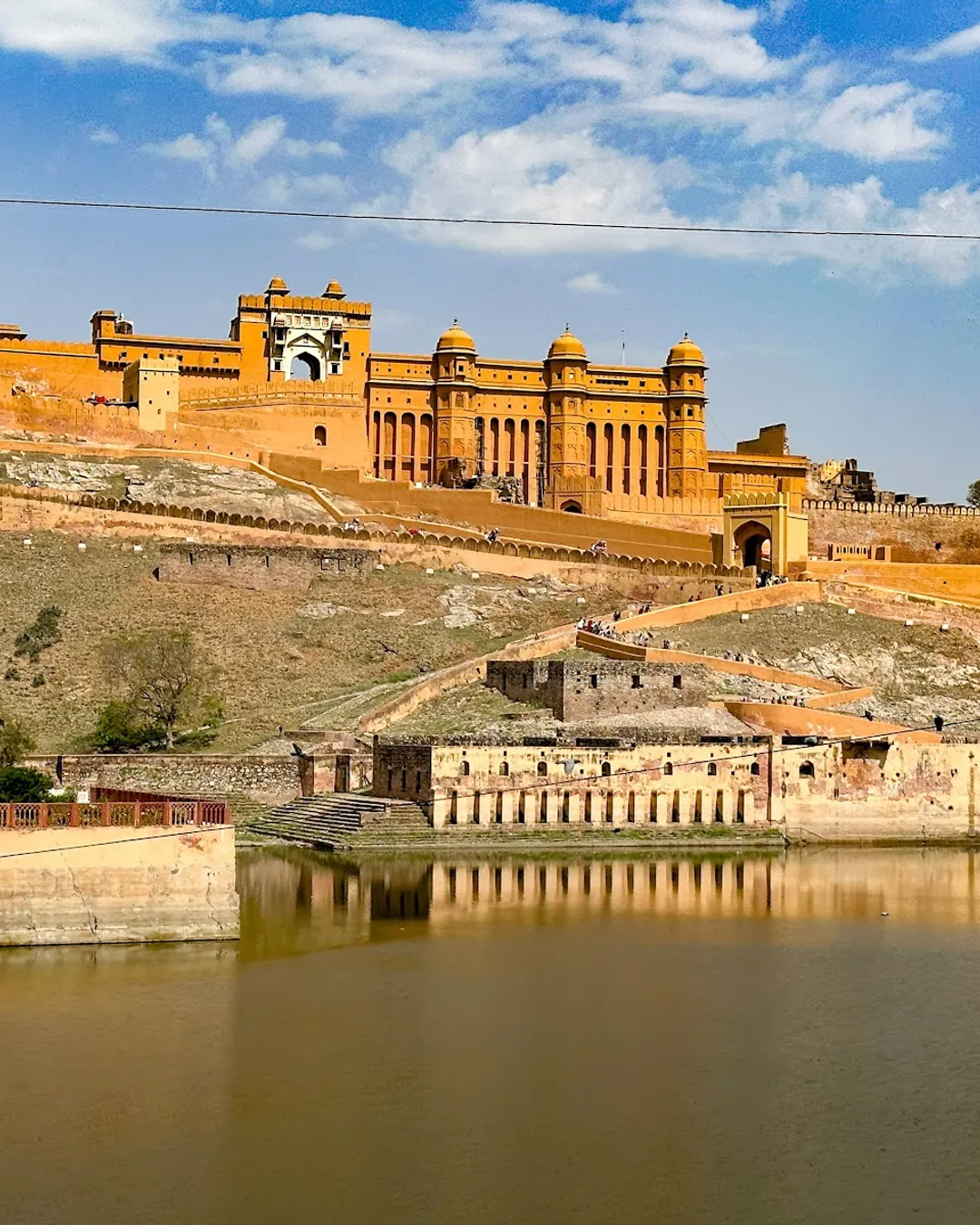
Jaipur is India's Pink City - a walled Rajput capital founded in 1727 that has been recognised as a UNESCO World Heritage Site for its grid-planned old quarter and its extraordinary concentration of palaces, forts, and bazaars. The Amber Fort dominates the city from a hilltop above Maota Lake, while the Hawa Mahal, City Palace, and Jantar Mantar observatory all sit within the old city walls. Beyond the heritage core, Jaipur offers some of Rajasthan's best shopping, food, and accommodation, making it the ideal base for exploring the region. This guide covers the best tourist places to visit in Jaipur - with opening hours, entry costs, and tips for first-time visitors.
Read More