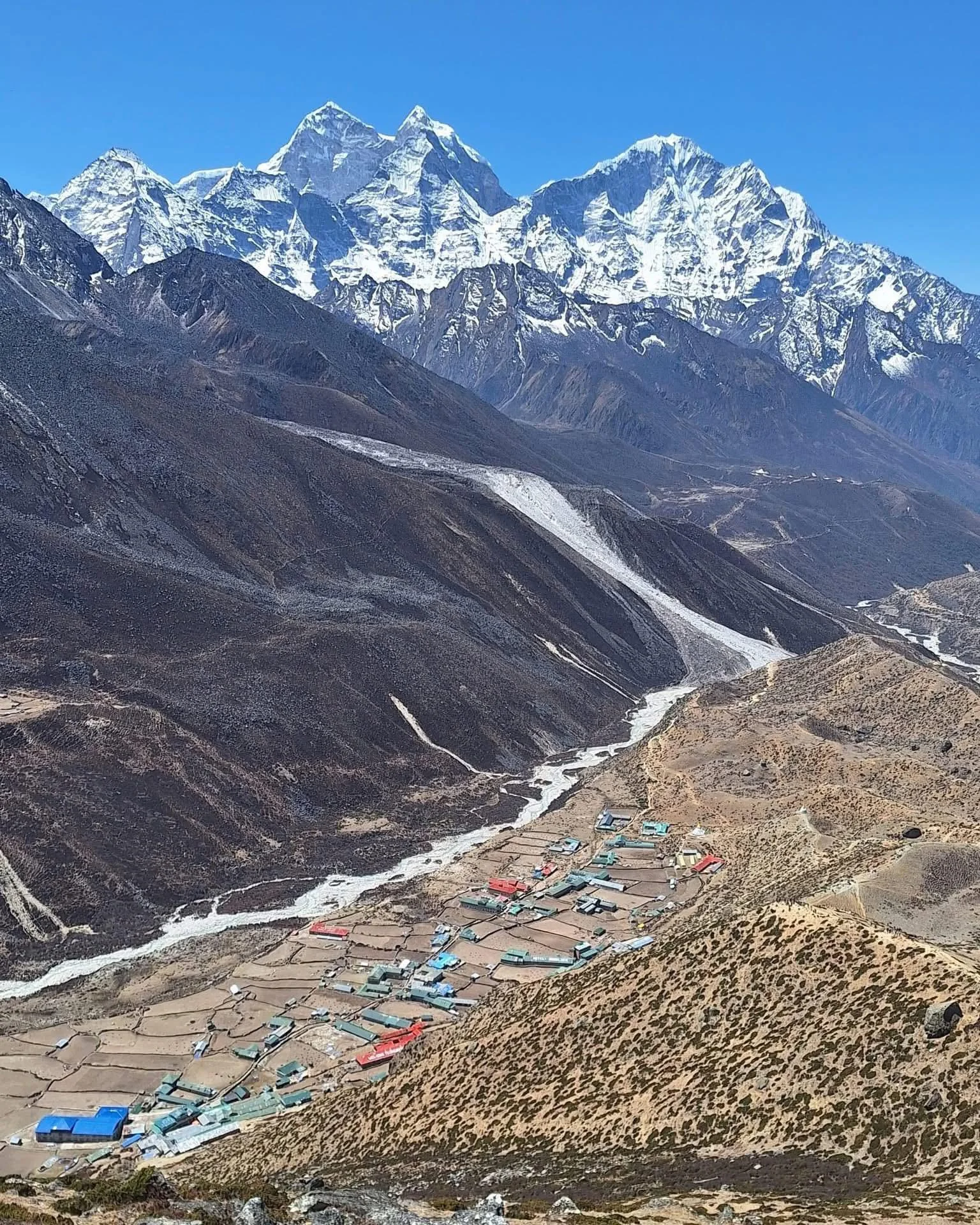
The Everest Region in Nepal is one of the most iconic travel destinations in the world, home to Mount Everest (8,848.86 m), the highest peak on Earth. Known for its breathtaking Himalayan landscapes, adventurous trekking routes, and rich Sherpa culture, this region attracts trekkers, nature lovers, and adventure seekers from across the globe.
The most popular experience here is the Everest Base Camp (EBC) Trek, a once-in-a-lifetime journey that takes you through stunning valleys, suspension bridges, glaciers, and traditional Sherpa villages. Along the way, you’ll pass through famous stops like Namche Bazaar, the gateway to Everest, and Tengboche Monastery, one of the most spiritual locations in the region.
Apart from trekking, travelers can also enjoy scenic mountain flights offering aerial views of Everest and surrounding peaks. For those seeking less strenuous experiences, short treks and helicopter tours are also available.
The Everest region is rich in culture and tradition. The local Sherpa community is known for its hospitality, mountaineering expertise, and unique lifestyle adapted to high altitudes. Visiting monasteries, interacting with locals, and experiencing their traditions add depth to your journey.
Adventure in the Everest region is not limited to trekking. You can explore glaciers, high-altitude lakes, and panoramic viewpoints that offer unmatched views of the Himalayan range. The region also offers photography opportunities that are truly world-class.
The best time to visit the Everest region is during March to May and September to November, when the weather is clear and suitable for trekking and mountain views. Winters are extremely cold, and monsoons can make trails challenging.
Whether you’re an adventure enthusiast, a trekking lover, or someone seeking a unique Himalayan experience, the Everest region offers an unforgettable journey filled with thrill, beauty, and cultural richness.
Read More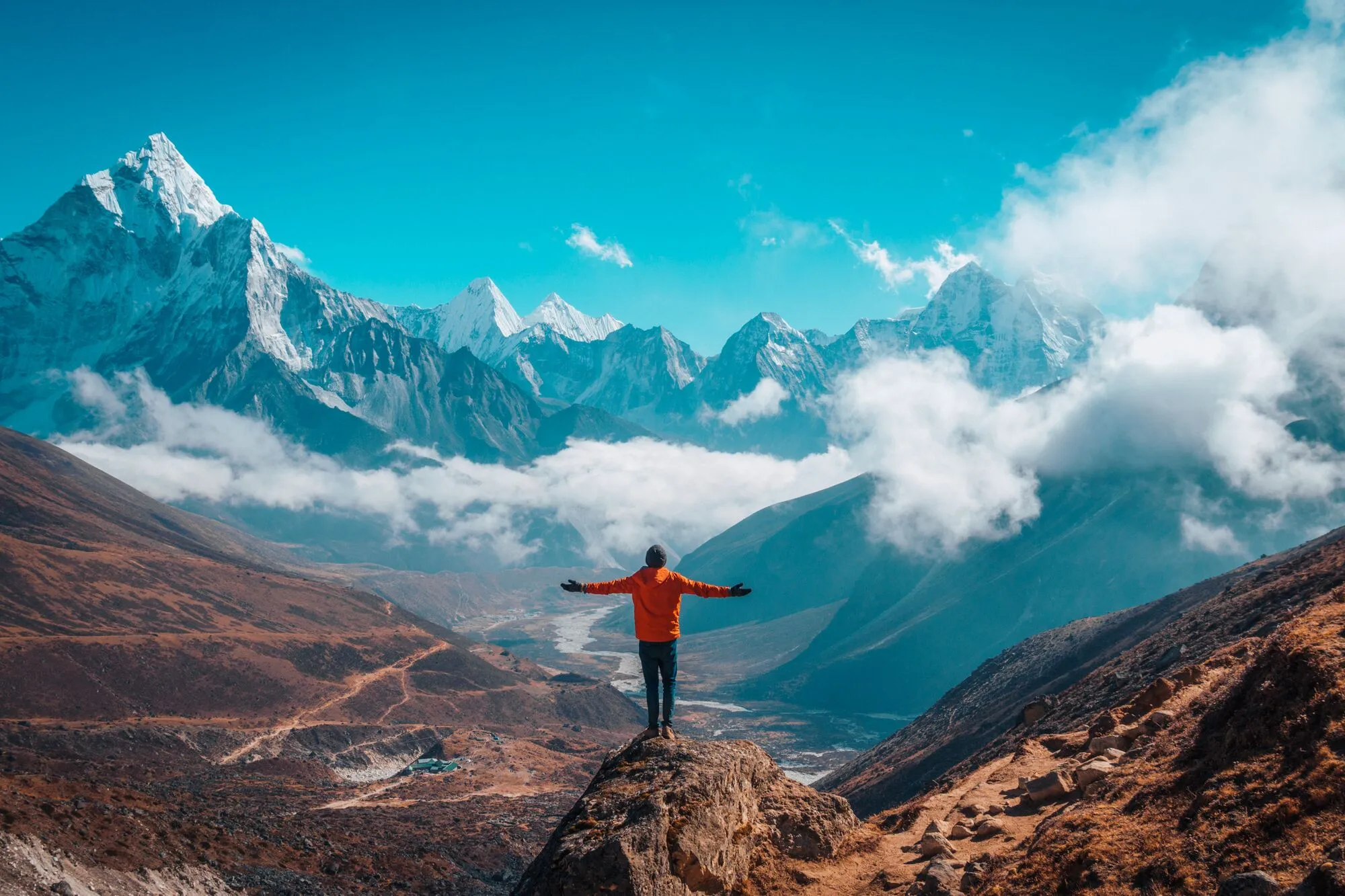
The Everest region is famous for Mount Everest, the highest peak in the world, and for the Everest Base Camp trek, one of the most popular trekking experiences globally.
The best time to visit the Everest region is from March to May and September to November when the weather is clear and ideal for trekking and mountain views.
The Everest Base Camp trek typically takes 12 to 14 days depending on the itinerary, acclimatization days, and trekking pace.
The Everest Base Camp trek is moderately to highly challenging due to high altitude, long trekking hours, and changing weather conditions. Proper preparation is required.
Indian citizens do not need a visa to travel to Nepal. A valid government-issued ID such as a passport or Aadhaar card is sufficient.
Key places include Everest Base Camp, Namche Bazaar, Tengboche Monastery, Lukla, and Kala Patthar viewpoint.
The Everest region can be challenging for beginners, but with proper fitness, preparation, and guided tours, first-time trekkers can complete the journey successfully.
Activities include trekking to Everest Base Camp, mountain flights, helicopter tours, cultural exploration, and high-altitude photography.
You should carry warm clothing, trekking gear, sturdy shoes, gloves, thermal wear, and essential medicines due to cold weather and high altitude conditions.
Yes, the Everest region is generally safe when traveling with experienced guides and proper planning. Acclimatization and safety precautions are important.
Yes, Everest region tour packages are fully customizable. You can choose trekking duration, routes, helicopter tours, and accommodation based on your preferences.
The Everest region is unique due to its extreme altitude, breathtaking Himalayan landscapes, Sherpa culture, and the presence of the world's highest peak.
Yes, you can experience Everest through mountain flights or helicopter tours without doing the full trek.
The Everest Base Camp trek usually starts from Lukla, which is accessible by a short flight from Kathmandu.