About Leh Ladakh
Ladakh sits between the Karakoram and Himalayan ranges at an average altitude of 3,500 metres - which is the first thing any plan needs to account for. The air is thin, the landscape is dry and bare, and the distances between places are long. None of that is a deterrent. It just means the first day after arrival should be spent doing very little, letting the body catch up.
The region divides into three main areas: Leh town and its surrounding monasteries, Nubra Valley to the north, and the lakes - Pangong Tso and Tso Moriri - to the east. Each requires a separate trip from Leh and overnight stays to do properly. Leh itself is a compact market town with Tibetan Buddhist architecture, good guesthouses across all budgets, and enough restaurants and cafés to feel comfortable as a base.
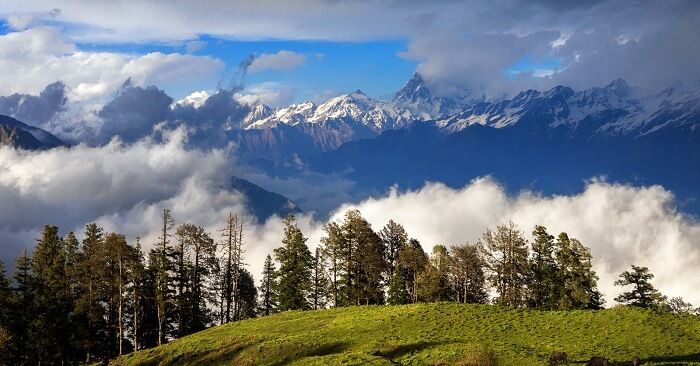
What draws people here is the combination of things that do not usually appear together - high-altitude desert, ancient monasteries, some of the world's highest motorable passes, and lakes that shift colour through the day. Road trips here, whether on a motorcycle or in a jeep, tend to be among the more memorable things people do in India.
Top Places to Visit
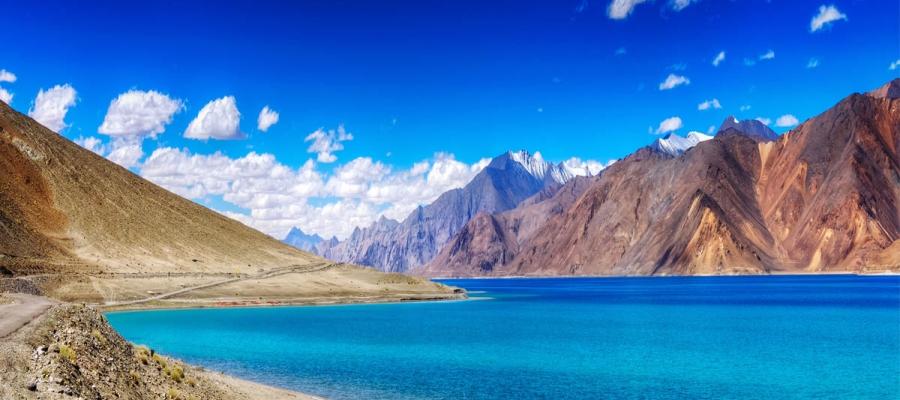
Pangong Tso sits at 4,350 metres and stretches 134 kilometres, with about 60% of the lake inside China. The colour changes from blue to green to grey depending on the light and time of day. Most visitors stay overnight in tents on the lakeshore, which is worth doing - sunrise here is a different experience from arriving as a day tripper.
Nubra Valley is a cold desert, reached via Khardung La pass (5,359 metres). The valley floor has sand dunes, double-humped Bactrian camels, and the Diskit Monastery perched above the valley with a large Maitreya Buddha statue facing toward the Siachen Glacier. The contrast between the desert floor and the snow-covered peaks behind it is genuinely strange and worth the drive.
Hemis Monastery, 45 km from Leh, is the wealthiest and largest monastery in Ladakh. The annual Hemis Festival - held in June or July by the Tibetan calendar - features masked dance performances and draws visitors from across the world. Outside festival season it is quieter and easier to explore.
Shanti Stupa is a white Buddhist stupa on a hilltop in Leh town, built in 1991 by a Japanese Buddhist organisation. The climb involves 500 steps. Sunrise and sunset views over Leh and the surrounding valley are the main draw.
Tso Moriri is a high-altitude lake at 4,522 metres, less visited than Pangong and noticeably quieter. The drive down from Leh takes around five hours. Korzok village on its banks has basic homestay accommodation and the lake attracts migratory birds including bar-headed geese.
Magnetic Hill, 30 km from Leh on the Kargil highway, is an optical illusion where the road's gradient makes stationary vehicles appear to roll uphill. It is a quick stop rather than a destination, but worth it on a road trip toward Kargil.
Day Trips from Leh
Alchi Monastery, 70 km from Leh, dates to the 11th century and has some of the oldest surviving Buddhist murals and woodwork in the region. Less visited than Hemis but arguably more historically significant.
Lamayuru, 127 km from Leh, sits in a landscape of eroded clay formations that locals call moonland. The monastery here is one of the oldest in Ladakh and dates to the 10th century. Usually combined with a drive toward Kargil.
Zanskar Valley is a multi-day extension rather than a day trip - roughly 200 km from Leh and accessible from June to October. The Chadar Trek, done in January and February across the frozen Zanskar River, is one of India's most well-known winter treks.
Best Time to Visit
June to September is peak season. Roads are open, all attractions are accessible, weather is stable (3-20°C by day), and the Hemis Festival falls in this window. July to September is technically monsoon season across India but Ladakh sits in a rain shadow - it stays dry and is the best all-round window.
April and May see roads gradually opening. Khardung La and Chang La may still carry snow. Flights run year-round so Leh itself is reachable, but Nubra and Pangong require road access that only opens reliably by late May.
October is cold but clear. Crowds are gone, the light is sharp, and most hotels remain open through mid-October. After that, temperatures drop sharply.
November to March - Leh is accessible by air but most passes close and road travel to Nubra and Pangong is not possible. The Chadar Trek on the frozen Zanskar River runs in January-February for those who specifically come for it.
Getting Around
Leh has one airport - Kushok Bakula Rimpochee Airport - with daily flights from Delhi, and connections from Mumbai, Chandigarh, Srinagar, and Jammu. The flight into Leh, approaching through Himalayan peaks, is itself worth the trip.
By road, two highways connect Ladakh to the rest of India: the Manali-Leh Highway (479 km, open roughly May to October) and the Srinagar-Leh Highway (434 km, open April to November). Both are multi-day drives with dramatic scenery and high-altitude passes.
Within Ladakh, shared taxis and hired jeeps are standard. There is no rail connectivity. Most visitors hire a vehicle with driver for the full trip - a day-by-day arrangement works better than a fixed package given road conditions and weather. Prepaid SIM cards from outside Ladakh do not work; a local SIM or BSNL SIM is needed.
Read More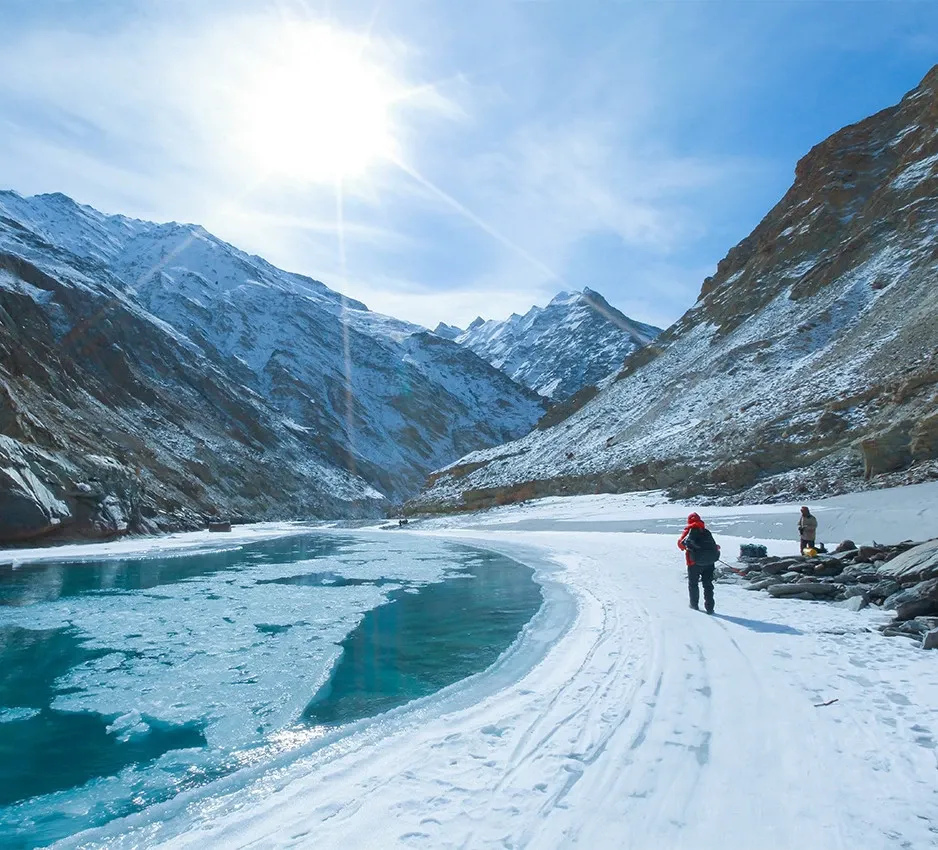
Seven to ten days covers Leh town, Nubra Valley, and Pangong Lake comfortably, with proper acclimatisation time built in. Ten to twelve days adds Tso Moriri. Less than six days does not leave enough time for altitude adjustment plus travel distances.
Indian nationals no longer need an Inner Line Permit for standard Ladakh travel, but still need permits for restricted areas including Nubra Valley, Pangong, and Tso Moriri. These are issued easily in Leh - through the tourism office or via your hotel. Foreign nationals need a Protected Area Permit (PAP), applied through a registered travel agent in Leh or at the DC Office. Travellers from Afghanistan, Bangladesh, China, Myanmar, Pakistan, and Sri Lanka are not eligible for the PAP.
Altitude sickness occurs when the body does not adjust fast enough to reduced oxygen levels. Symptoms include headache, nausea, and dizziness. The standard precaution is spending the first full day in Leh resting - no sightseeing, no physical exertion. Drink water, eat light, and avoid alcohol for the first 48 hours. Medication like Diamox can help but should be discussed with a doctor before travel.
July and August for the most reliable weather and fully open roads. June for fewer crowds and the Hemis Festival. September for cooler temperatures and thinning tourist numbers. October for solitude but with some attractions starting to close.
By air from Delhi (1.5 hours), with connections also available from Mumbai, Chandigarh, Srinagar, and Jammu. By road via the Manali-Leh Highway (two days minimum, open May to October) or Srinagar-Leh Highway (one long day, open April to November). There is no train to Leh.
An Inner Line Permit is required for Indian nationals. This is obtained in Leh from the Sub-Divisional Magistrate office or through your hotel or travel agent. Foreign nationals need a PAP as mentioned above. The permit process typically takes a few hours and is straightforward.
It depends on the children's ages. Altitude is the main concern - young children and infants can be more susceptible to altitude sickness. Teens and older children generally handle it well with proper acclimatisation. The landscapes, camel safari in Nubra, and monastery visits work well for older kids. Most doctors advise against taking infants or toddlers to very high altitudes.
Yes, and it is one of the most popular ways to visit. The Manali-Leh highway is a well-established motorcycle route. The Srinagar-Leh route is also done frequently. Most riders hire bikes in Delhi, Manali, or Leh itself. Royal Enfield Himalayans are the most common choice. A valid driving licence is required and mechanical preparedness matters - repair shops are scarce on the higher sections.
Warm layers regardless of the season - temperatures drop sharply at night even in summer. Sunscreen with high SPF (the UV exposure at altitude is much stronger). Sturdy, comfortable shoes for uneven terrain. A refillable water bottle. Any personal medications, as pharmacies in remote areas are limited. Download offline maps before arrival - mobile connectivity is patchy outside Leh town.
Generally yes. Ladakh has a strong culture of respect toward visitors and solo female travel is common here. The main practical concerns are the same as for any traveller - altitude, road conditions, and remoteness. Leh town is safe and walkable. For remote treks and valleys, going with a guide or in a group is sensible regardless of gender.
A winter trek along the frozen Zanskar River, done in January and February when the river surface is solid enough to walk on. It runs roughly 65 km over 8-9 days between Chilling and Lingshed. Temperatures drop to -20°C or below. It is considered one of the more physically demanding treks in India and requires a guide, proper cold-weather gear, and good physical fitness.
White-water rafting on the Indus and Zanskar rivers, trekking (Markha Valley, Chadar, Stok Kangri, Lamayuru-Alchi), mountain biking, motorbike touring, rock climbing, and wildlife watching for snow leopards in Hemis National Park. The Stok Kangri summit (6,153 metres) is one of the highest non-technical peaks accessible to reasonably fit trekkers with acclimatisation.
Airtel and BSNL have the best coverage in Leh town and along main highways. Prepaid SIMs registered outside Ladakh do not work - you need either a local Ladakh SIM or a BSNL SIM. Postpaid connections from other operators may work in Leh town but connectivity drops off quickly outside it. Download all maps and offline content before leaving Leh for remote areas.