

Visiting the Taj Mahal in 2026: Complete Guide to Tickets, Timings & Tips
Visiting the Taj Mahal in 2026: The Ultimate Guide
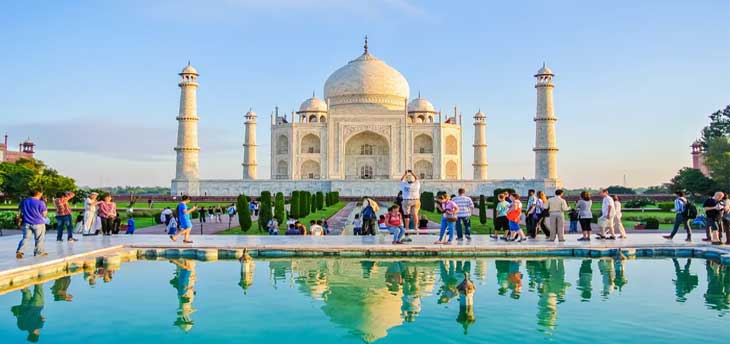
The Taj Mahal in Agra, India, is one of the Seven Wonders of the World and appears on almost every traveller's bucket list. Built by Mughal emperor Shah Jahan as a mausoleum for his beloved wife Mumtaz Mahal, this white-marble masterpiece is considered one of the finest examples of Mughal architecture in the world. Today, it attracts millions of visitors every year and is a highlight of most Indian itineraries.
This 2026 Taj Mahal guide covers everything needed for a smooth visit: a short history, how to reach Agra, the best time to visit, updated ticket information, entry gates, dress code, what not to carry, top photo spots, and nearby places to see.
Brief History of the Taj Mahal
The Taj Mahal was commissioned by Emperor Shah Jahan in memory of his wife Mumtaz Mahal, who died in 1631. Construction began in 1632 and continued for around two decades, involving thousands of artisans, craftsmen, and labourers.
Often described as "a teardrop on the cheek of time," the Taj Mahal complex includes the main mausoleum, a mosque, a guest house, formal gardens, and reflecting pools. Its perfect symmetry, inlaid semi-precious stones, and detailed carvings make it one of the greatest architectural achievements of the Mughal era.
Where Is the Taj Mahal Located?
The Taj Mahal is located in Agra, in the northern Indian state of Uttar Pradesh. It sits on the banks of the Yamuna River and forms part of India's famous Golden Triangle route along with Delhi and Jaipur.
Approximate distances:
-
Delhi to Agra: about 210 km
-
Jaipur to Agra: about 230 km
These three cities together make a classic 5-7 day itinerary for first-time visitors.
How to Reach the Taj Mahal
Most travellers visit the Taj Mahal from Delhi as a day trip or overnight stay.
By train
-
Travel time: roughly 1.5-3 hours, depending on the train
-
Route: New Delhi Railway Station (NDLS) or Hazrat Nizamuddin to Agra Cantt / Agra Fort
-
From Agra station: The Taj Mahal is about 20–30 minutes away by auto-rickshaw, cab, or e-rickshaw
Fast morning trains are usually the most convenient if visiting as a day trip.
By road
-
Private car or taxi: around 3-4 hours via the Yamuna Expressway from Delhi
-
Bus: typically 4+ hours depending on traffic and route
A private car is more flexible if planning to combine the Taj Mahal with Agra Fort and other nearby spots in one day.
Best Time to Visit the Taj Mahal in 2026
Weather, crowd levels, and air quality all affect the experience at the Taj Mahal.
By season
-
October to March: Pleasant, cooler weather and clearer skies; this is peak season, so expect more visitors and higher demand for hotels.
-
April to June: Hot summer months; mornings and late afternoons are better if visiting in this period.
-
July to September: Monsoon season; rain is possible, but crowds may be lighter on some days.
Avoid visiting during major pollution spikes (often around Diwali), as haze and smog can reduce visibility and comfort.
By day and time
-
Closed every Friday for general visitors (open only to Muslims for afternoon prayers at the mosque).
-
Best times of day:
-
Sunrise: Fewer crowds, softer light, cooler temperatures.
-
Late afternoon to sunset: Beautiful golden light and reflections, though usually with more people.
-
For sunrise visits, buying tickets in advance (online or the day before) helps avoid queue delays.
Taj Mahal Ticket Prices (Indicative)
Ticket prices are tiered for different categories of visitors and for optional access to the main mausoleum chamber.
-
Foreign tourists:
-
Main complex entry: approx. INR 1,100
-
Additional ticket for the main mausoleum: approx. INR 200
-
-
Indian nationals:
-
Main complex entry: approx. INR 50
-
Additional ticket for the main mausoleum: approx. INR 200
-
-
SAARC and BIMSTEC countries:
-
Reduced rate compared to other foreign visitors
-
-
Children under 15:
-
Generally free (both Indian and foreign)
-
For the most complete experience, it is worth buying the additional ticket that allows entry into the main mausoleum area.
Note: Prices are indicative; always check the latest official information before your visit.
Taj Mahal Timings in 2026
-
Opening hours: approximately 6:00 a.m. to 7:00 p.m., aligned with sunrise and sunset
-
Closed: Every Friday for general tourism
-
Night viewing: Available on selected nights, typically 2 days before the full moon, on the full moon night, and 2 days after, from about 8:30 p.m. to 12:30 a.m., with limited slots and separate tickets.
Tickets can usually be purchased from about 30 minutes before opening until about 45–60 minutes before closing, and online booking is widely available.
The Three Taj Mahal Gates: Which One to Use?
There are three main entry gates to the Taj Mahal: East, West, and South. Each has its own advantages.
East Gate
-
Often preferred by international visitors
-
Usually shorter queues except at sunrise
-
Close to many hotels and guesthouses on the eastern side
-
A good choice if tickets are already purchased in advance
West Gate
-
Popular with domestic tourists
-
Lines can be long during the day, especially on weekends and holidays
-
Slightly less busy than the East Gate at sunrise
South Gate
-
Located near a busy market area with more touts and activity
-
Generally not used for early-morning entry (often opens later than sunrise)
-
Can be convenient for those staying in nearby budget hostels and guesthouses
For most visitors, the East Gate is the easiest and smoothest option.
What to Wear at the Taj Mahal
The Taj Mahal is both a major tourist attraction and a site of religious significance.
-
Dress modestly: clothing that covers shoulders and knees is recommended.
-
Women do not need a headscarf, but carrying one is a personal choice.
-
In winter (November–February), mornings and evenings can be cold, so bring layers.
-
In summer, choose light, breathable fabrics, and carry a hat or scarf for sun protection.
-
Footwear: Shoes must be removed or covered before stepping on certain marble areas; slip-on shoes or sandals are more convenient. Shoe covers are sometimes provided with tickets or at an extra cost.
What You Cannot Bring Inside the Taj Mahal
Security is strict, and many items are not allowed inside the Taj Mahal complex.
Commonly restricted items include:
-
Large bags and backpacks
-
Food and drink (except water)
-
Cigarettes, lighters, and tobacco products
-
Tripods and large photography equipment (special permissions required)
-
Mobile chargers, speakers, and some electronic items
Small bags with essentials are usually allowed. There are locker facilities near the entrances where disallowed items can be stored for a fee. Typically, visitors are allowed to carry:
-
A smartphone
-
A camera
-
A water bottle
Always follow the security staff’s instructions at the gate.
Best Photo Spots at the Taj Mahal
Some of the most popular and photogenic locations inside and around the Taj Mahal include:
-
Just inside the main gateway arch, framing the Taj in the opening
-
The central garden pathway and the reflecting pool, where the Taj’s image appears on the water
-
Side angles from the gardens, showing the minarets and the Yamuna River side
-
The two red sandstone mosques and their interiors, which offer elegant frames and patterns
-
Close-up details of marble inlay work and calligraphy on the main structure
Outside the complex, Mehtab Bagh across the river is a famous spot for sunset and reflection shots with the Taj in the background.
Virtual Tours and Guides
If a deeper understanding of history and architecture is important, there are two main options:
-
Audio guides/apps: Smartphone-based audio guides in multiple languages can be more affordable and flexible than hiring a private guide. They allow moving at one’s own pace.
-
Licensed guides: Official guides are available at or near the ticket offices and can be hired for private or small-group tours. Always confirm credentials and price before starting the tour.
For those planning ahead, some tour operators also offer virtual or video-based tours that help understand the layout and key stories before arriving.
Best Distant Views of the Taj Mahal
In addition to seeing the Taj Mahal from inside the complex, there are several excellent viewpoints around Agra:
-
Mehtab Bagh: A Mughal garden complex on the opposite bank of the Yamuna, aligned directly with the Taj. Ideal for sunset views and photography.
-
Rooftop cafés and hotel terraces near the Taj East Gate area: Many offer distant but atmospheric views, especially at sunrise and sunset.
-
Riverbank viewpoints and unfinished watchtower area on the eastern side: Local drivers can guide to lesser-known vantage points for quieter views.
These spots are particularly useful for sunrise or sunset photos on days when entry tickets are for different time slots.
Places to Visit Near the Taj Mahal
If staying in Agra for longer than a few hours, there are several important nearby attractions to include:
Itimad-ud-Daulah (Baby Taj)
Often called the “Baby Taj” this marble mausoleum is considered a precursor to the Taj Mahal’s design. Built between 1622 and 1628 by Nur Jahan for her father, Mirza Ghiyas Beg, it showcases intricate inlay work and delicate architecture. It is quieter than the Taj and perfect for a more relaxed visit.
Agra Fort
Agra Fort is a UNESCO World Heritage Site and a major highlight in its own right. This red sandstone fortress, expanded under Emperor Akbar and later modified by Shah Jahan, houses palaces, audience halls, and courtyards.
It also has a poignant connection to the Taj Mahal’s story: Shah Jahan is believed to have spent his final years here under house arrest, with a distant view of the Taj across the river.
Other nearby options include Fatehpur Sikri (a historic Mughal city about an hour from Agra) and local bazaars for handicrafts and marble souvenirs.
Practical Tips and Safety
-
Food, cigarettes, and lighters are not allowed inside the Taj Mahal compound.
-
Photography inside the main inner tomb chamber is generally prohibited; always respect posted signs and instructions.
-
Be cautious of unofficial touts outside offering “special” tours, souvenirs, or jewellery. Stick to official counters and clearly priced services.
-
Keep valuables safe and avoid carrying large amounts of cash.
-
Plan to arrive early for sunrise visits, allowing time for security checks and possible queues.