Nepal is one of the most extraordinary travel destinations in the world - a small landlocked country in the Himalayas that contains eight of the world's ten highest mountains, some of Asia's most sacred Hindu and Buddhist heritage sites, subtropical jungles teeming with wildlife, and a culture that has remained remarkably distinct despite centuries of outside influence. For Indian travellers in particular, Nepal offers a rare combination of deep cultural familiarity and genuine adventure - a neighbouring country that feels both accessible and profoundly different.
The entry process for Indian nationals is simpler than almost any international destination. No visa is required. A valid Indian passport or Voter ID card is sufficient for entry, and flight connections from Delhi, Mumbai, Kolkata, Bangalore, and other major cities to Kathmandu's Tribhuvan International Airport keep travel times short. For those travelling by road, the Sunauli-Belahiya crossing near Gorakhpur and the Raxaul-Birgunj crossing from Bihar are popular overland options. One important note for Indian travellers: carrying INR 500 and above denomination notes into Nepal is a punishable offence under Nepalese law - carry smaller denominations or exchange currency on arrival.
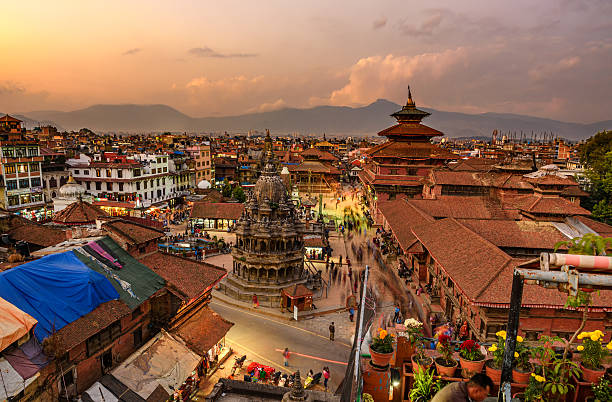
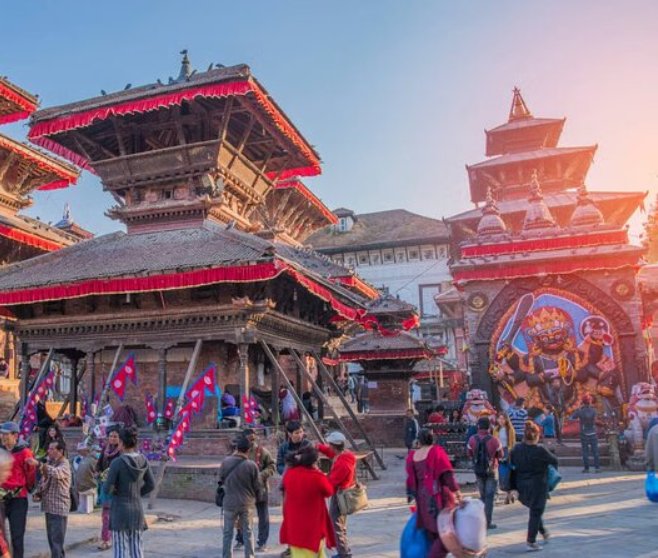
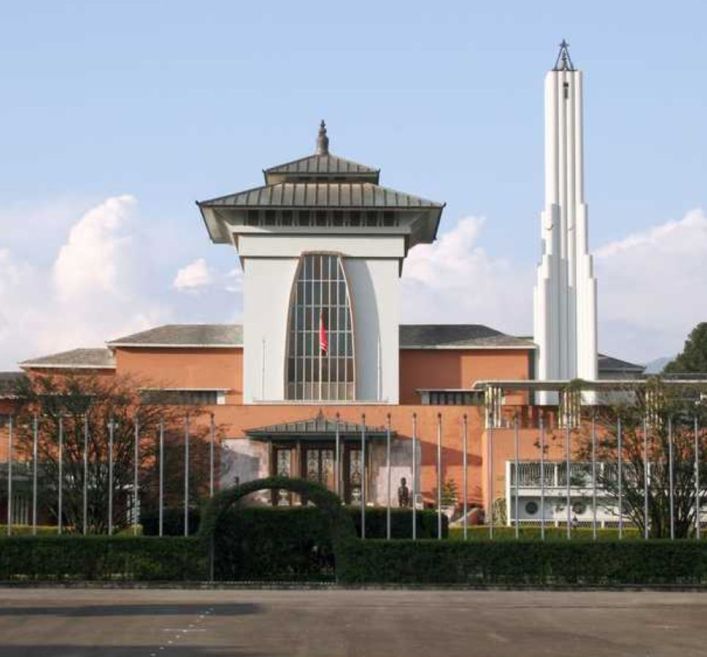
Kathmandu is where most Nepal journeys begin. The capital is a city unlike any other in Asia - ancient temples and medieval courtyards existing alongside modern cafes and trekking outfitters, with the snow-capped Himalayas visible on the horizon on clear days. The UNESCO-listed sites alone justify the visit: Pashupatinath Temple on the banks of the holy Bagmati River, the towering Boudhanath Stupa draped in prayer flags, the hilltop Swayambhunath - known as the Monkey Temple - and the intricately carved palace complexes of Kathmandu and Bhaktapur's Durbar Squares. A well-planned two to three day city tour covers all of these comfortably.
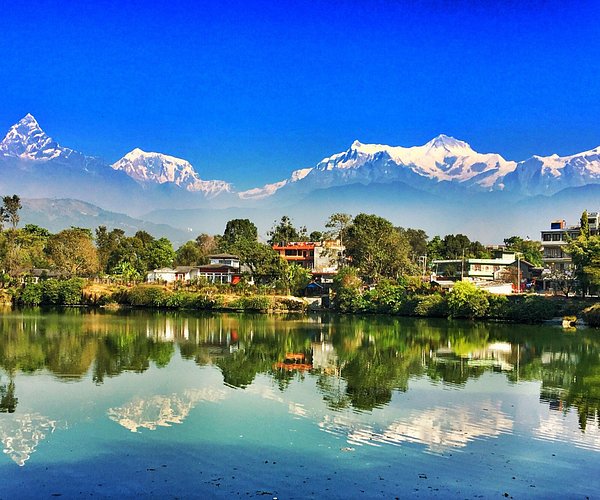
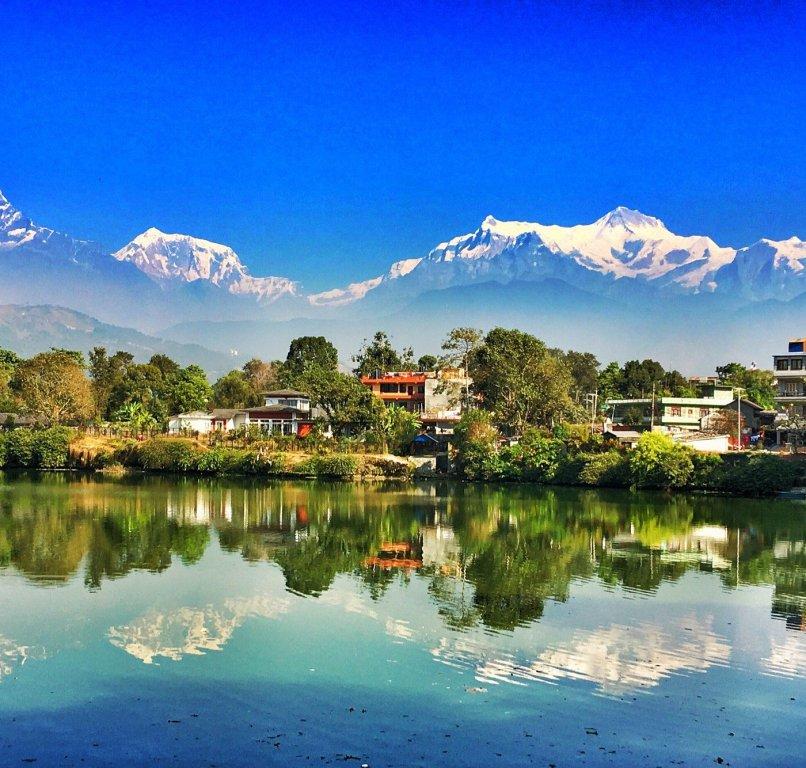
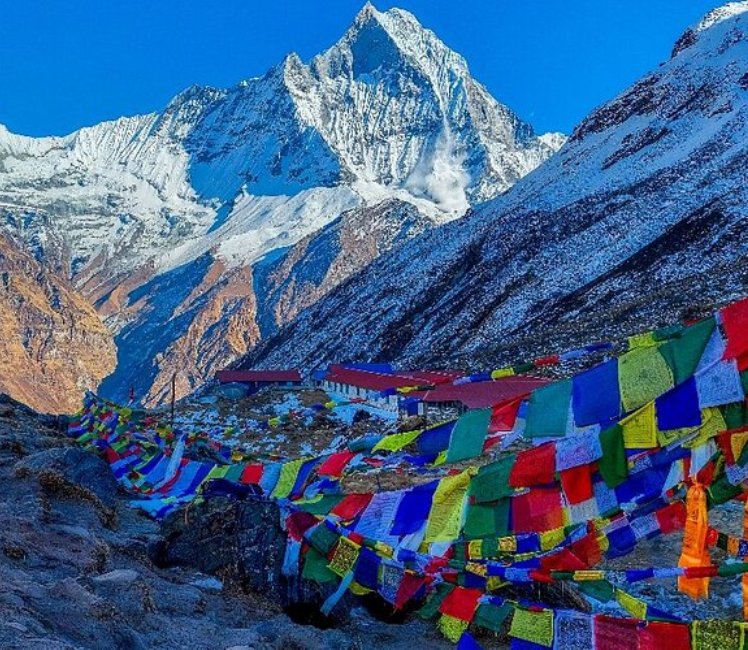
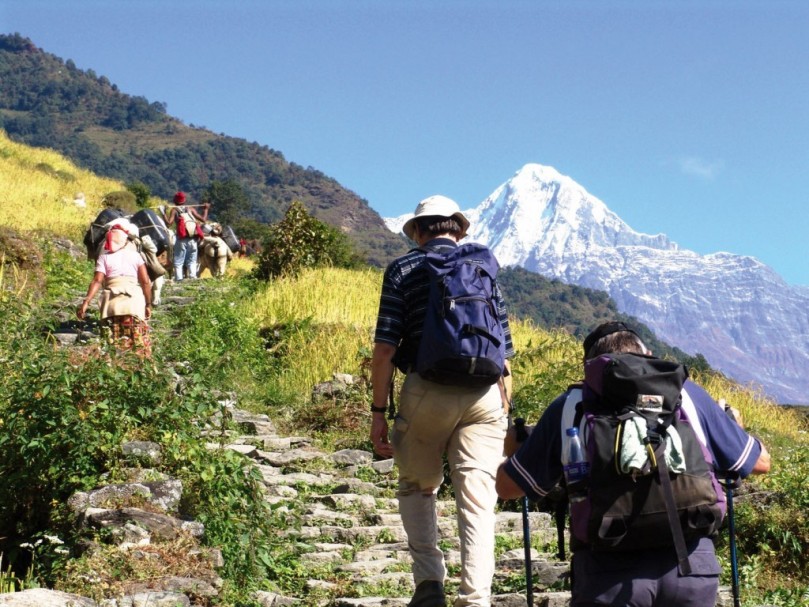
Pokhara is Nepal's second city and the adventure capital of the country - a lakeside town set against the dramatic backdrop of the Annapurna range. Fewa Lake, the World Peace Pagoda, Devi's Falls, and the Gupteshwor Mahadev Cave are the main attractions within the city, while the surrounding hills offer paragliding, zip-lining, and access to some of Nepal's finest trekking routes including the Annapurna Circuit and the Annapurna Base Camp trail.
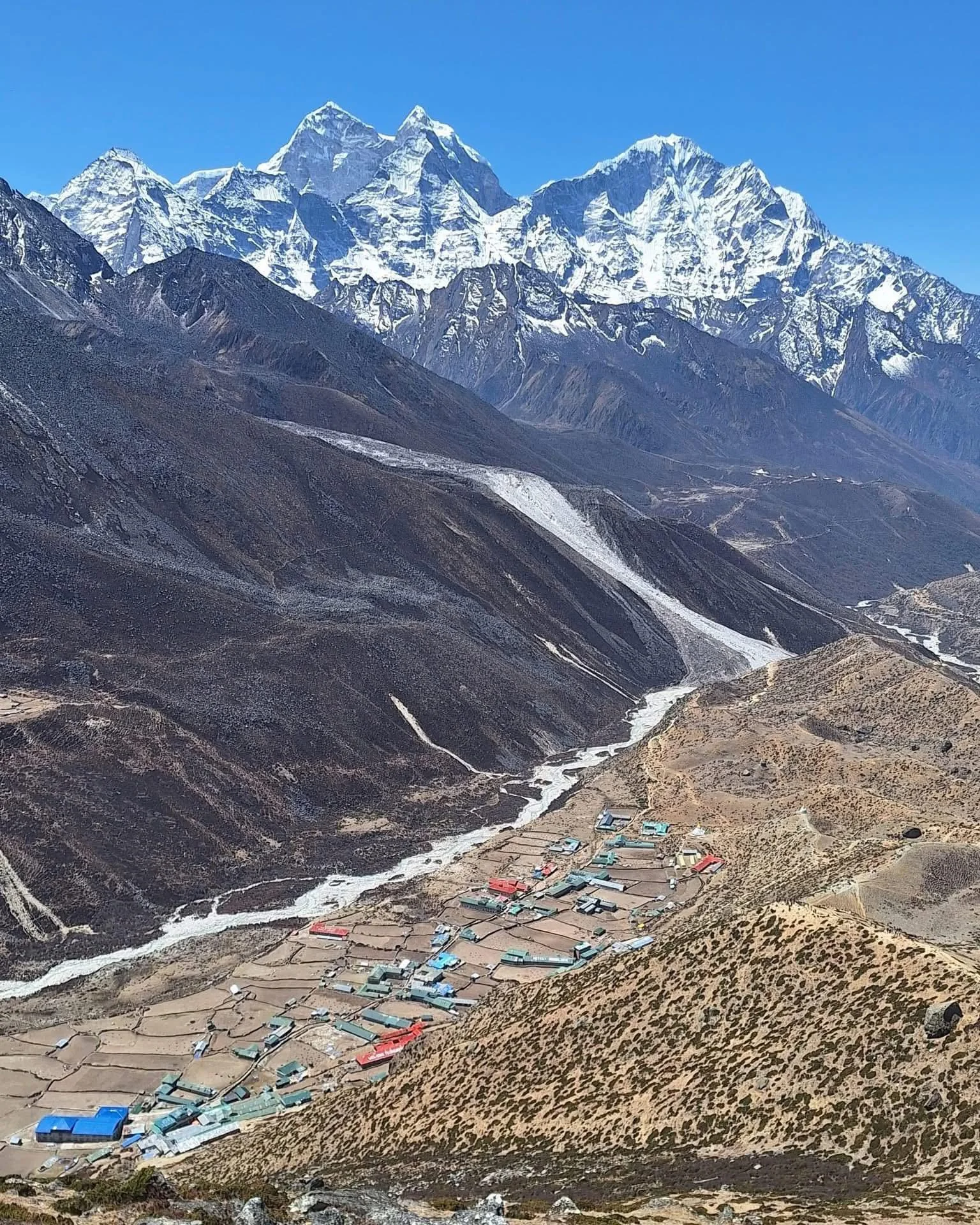
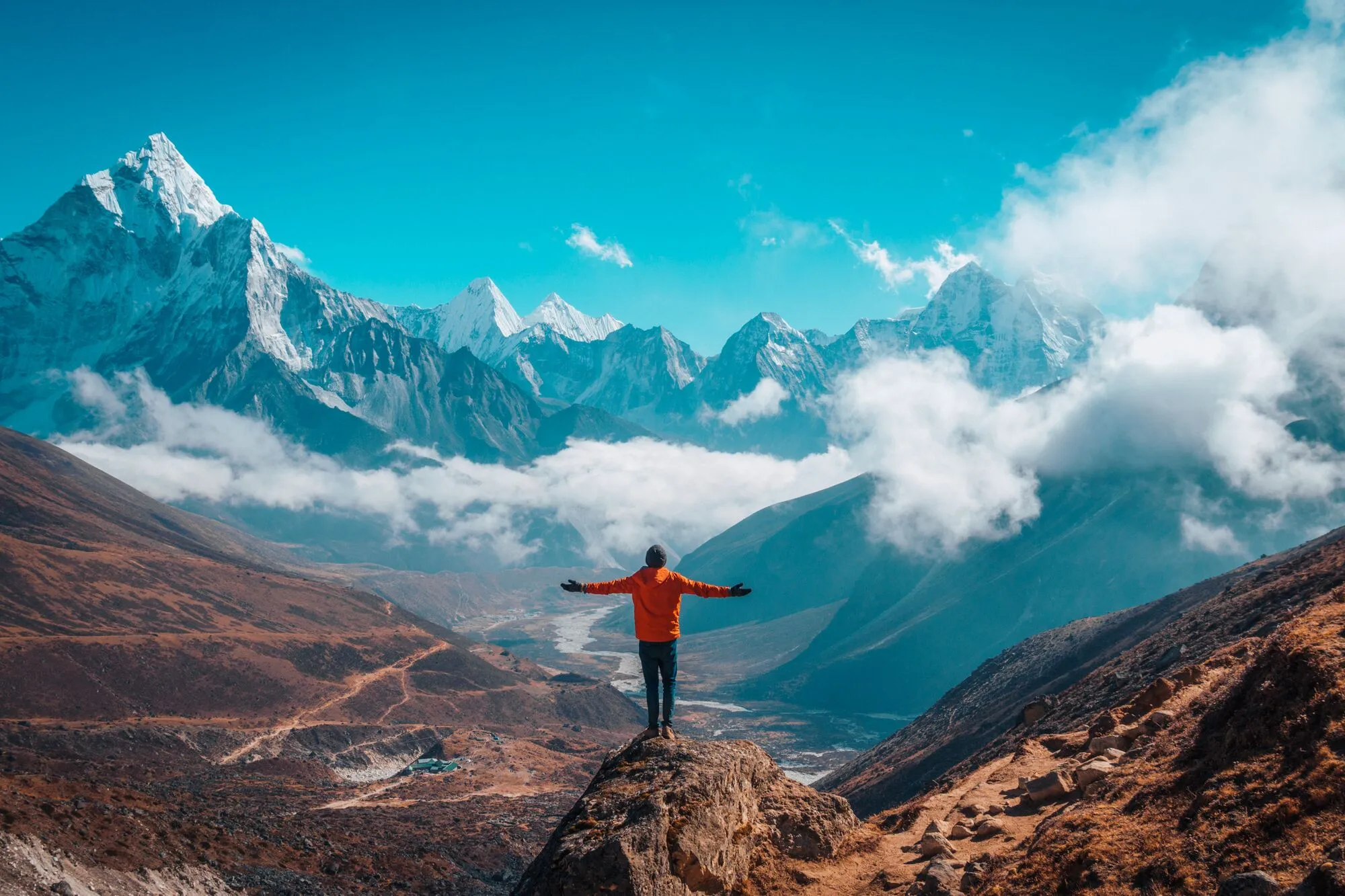
For those seeking Nepal's most iconic adventure, the Everest Base Camp Trek remains one of the greatest walking journeys on earth - a 12-14 day route through the Khumbu region that passes Sherpa villages, ancient monasteries, and glacial valleys before reaching the prayer-flag-covered rocks at 5,364 metres where summit climbers prepare for their ascent of the world's highest mountain.
In the south, Chitwan and Bardia national parks offer jungle safaris on the back of elephants and in open jeeps, with one-horned rhinoceros, Bengal tiger, gharial crocodile, and over 500 bird species recorded within their boundaries.
TriptoOcean's Nepal packages cover every style of travel - from cultural city tours and honeymoon itineraries to high-altitude treks and wildlife safaris - with flexible durations, transparent pricing, and options for travellers from India and around the world.
No. Indian nationals do not require a visa to enter Nepal. A valid Indian passport or Voter ID card is accepted as a travel document. Aadhaar card is not accepted. Children under 16 must carry an original Birth Certificate and School Identity Card in hard copy format. Citizens of other countries can obtain a visa on arrival at Tribhuvan International Airport in Kathmandu.
You can carry Indian currency to Nepal, but carrying INR 500 and above denomination notes is a punishable offence under Nepalese law. Carry INR 100 and below denomination notes, or exchange currency at authorised money changers or banks on arrival in Kathmandu. USD is also widely accepted at exchange counters.
The two best seasons are spring (March-May) and autumn (September-November). October is widely considered the finest month - crystal-clear post-monsoon skies, stable weather, and excellent mountain visibility. Spring coincides with Everest expedition season and rhododendron blooms across the hills. Winter (December-February) is cold but manageable for city tours and lower-altitude travel. The monsoon (June-August) brings heavy rainfall and is not recommended for trekking.
Flight times from major Indian cities to Kathmandu's Tribhuvan International Airport are short. Delhi is approximately 1.5 hours, Mumbai around 2.5 hours, Kolkata around 1.5 hours, and Bangalore approximately 3 hours. Direct flights operate from Delhi, Mumbai, Kolkata, Bangalore, Chennai, and Hyderabad via Air India, IndiGo, SpiceJet, and Nepal Airlines.
Yes. Nepal offers exceptional honeymoon settings across very different landscapes - from Pokhara's lakeside hotels with Annapurna views and Kathmandu's heritage boutique properties to luxury jungle lodges in Chitwan and high-altitude mountain resorts. TriptoOcean offers dedicated Nepal honeymoon packages combining city stays, lakeside relaxation, and optional adventure activities tailored to couples.
The Everest Base Camp Trek is classified as moderate to strenuous. The terrain is non-technical - it is a walking trek requiring no climbing skills. The primary challenge is sustained effort over 12-14 days at high altitude where oxygen levels are significantly lower than at sea level. Our licensed guides monitor altitude health daily, and the itinerary includes acclimatisation days to reduce the risk of altitude sickness. A reasonable level of physical fitness and mental endurance are the main requirements.
Yes. Since April 2023, Nepal officially requires all trekkers on mountain routes - including the Everest Base Camp and Annapurna routes - to be accompanied by a government-licensed guide. All TriptoOcean trekking packages include a licensed, English-speaking guide as standard.
Chitwan National Park is a UNESCO World Heritage Site and one of Asia's finest wildlife destinations. The park is home to the one-horned rhinoceros, Bengal tiger, gharial and mugger crocodile, sloth bear, and wild elephant. Over 500 bird species have been recorded within the park. Jeep safaris, elephant-back safaris, canoe rides, and guided jungle walks are all available.
Yes. TriptoOcean serves travellers from across India and internationally - including visitors from the UAE, UK, USA, Canada, Singapore, Australia, and beyond. Citizens of most countries can obtain a Nepal visa on arrival at Kathmandu airport. Payment is accepted via UPI, bank transfer, and international card.
Children under 16 years of age travelling from India to Nepal must carry both an original Birth Certificate and a School Identity Card in hard copy format. These are required at the border or airport immigration. Photocopies are not accepted - both documents must be originals.