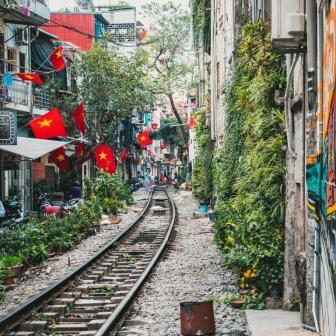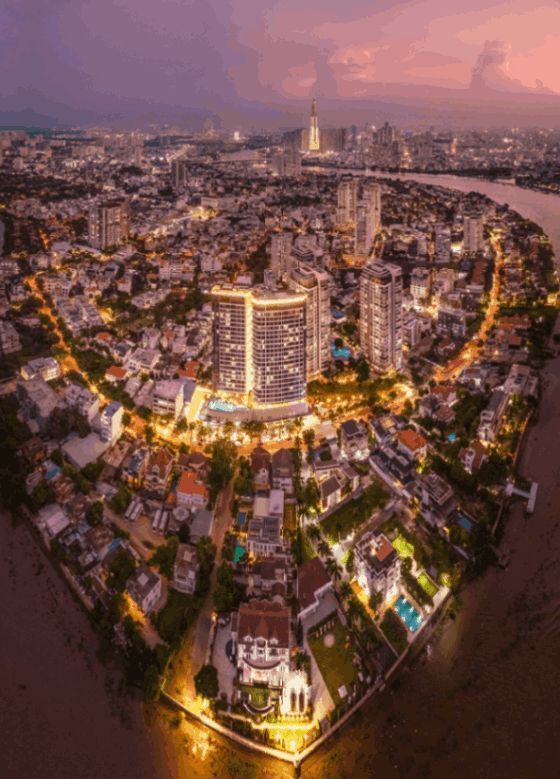
Vietnam is long and narrow - about 1,650 kilometres from the Chinese border down to the Mekong Delta - and the north, centre, and south feel genuinely different from each other. The north is cooler, more historic, and moves at its own pace. The centre has the beaches and the old town everyone photographs. The south is flat, hot, river-threaded, and fast. You can fly into Hanoi and out of Ho Chi Minh City, or pick one region and go slowly.
For Indian travellers the logistics are straightforward: flights from Delhi or Mumbai land in under five hours, the e-visa takes a few days and costs around USD 25, and the food situation is better than most people expect. Vietnamese Buddhist vegetarian cooking is common - look for chay restaurants, especially in temple towns like Hue and Hoi An. The strong iced coffee is worth the trip alone.
Top Places to Visit
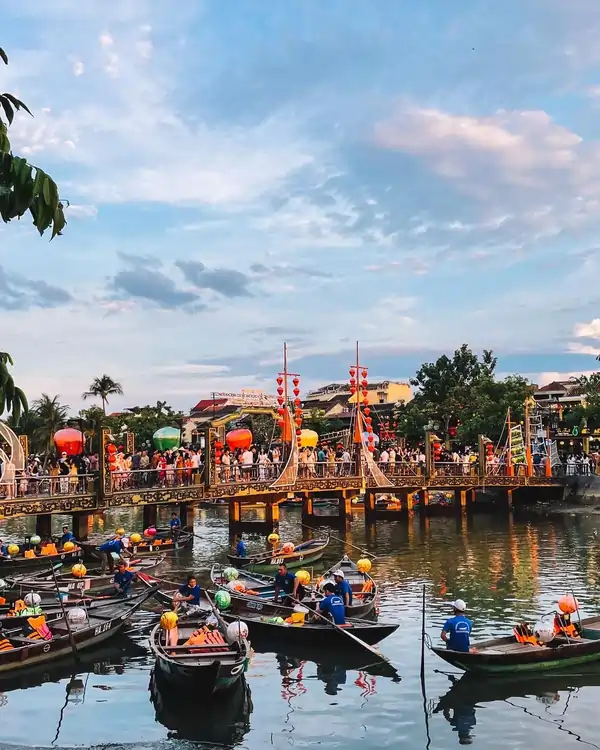
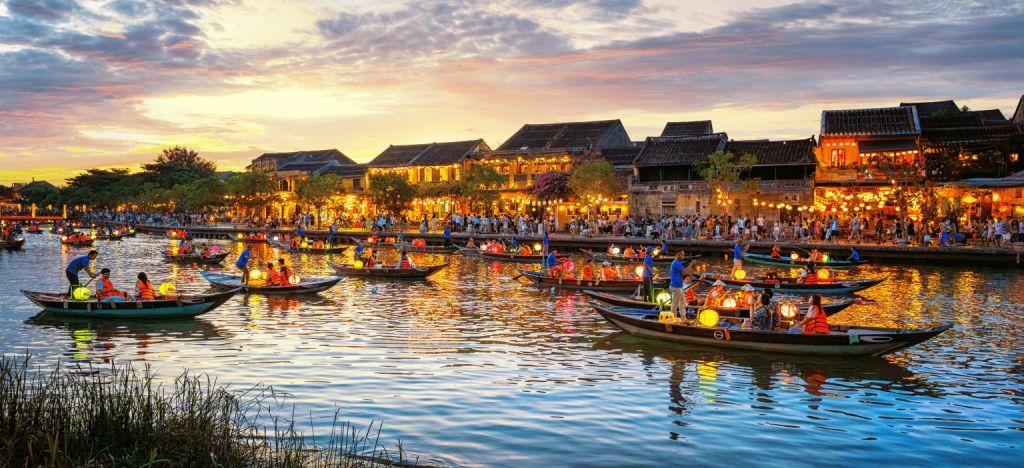
Ha Long Bay is the obvious starting point - nearly 2,000 limestone islands rising from the Gulf of Tonkin, best seen on a 2-day cruise away from the busiest boat traffic. Hoi An is a 15th-century trading port that still works as a real town; the lantern-lit streets are less touristy in person than they look in photographs. Hanoi's Old Quarter is dense and walkable, with lakeside streets and pho stalls open at 6am. Ho Chi Minh City rewards two full days, mostly for the Cu Chi Tunnels just outside the city. Sapa in the north takes effort to reach but the terraced rice fields in late September are reason enough.
Best Time to Visit
October to April is the safest window for most of the country. The north and centre have different rain patterns - Hoi An gets its heaviest rain in October and November, when the north is often at its clearest. February to April is the most reliable window if you're doing a full north-to-south trip. June to August is hot and humid everywhere but prices drop and the crowds thin out.
Vietnam Visa for Indian Travellers
Indian passport holders need an e-visa, valid for 45 days, available through the official Vietnam Immigration portal. Approval usually comes within 3 working days. The fee is around USD 25. Carry USD cash for exchange on arrival - Vietnamese Dong is not easily available in India before travel.
Read MoreMost nationalities need an e-visa. It is valid for 45 days, costs around USD 25, and approval comes within 3 working days through the official Vietnam Immigration portal. Citizens of a handful of countries - including Germany, France, the UK, and a few others - get visa-free entry for 45 days. Check the current list before travel as it changes periodically.
February to April is the most reliable window across the whole country. October and November work well for the north. Avoid Hoi An and the central coast in October and November - that is peak flood season there. June to August is hot and humid but cheaper and less crowded.
Ten to twelve days is a reasonable minimum for a north-to-south trip covering Hanoi, Ha Long Bay, Hoi An, and Ho Chi Minh City. A week works if you pick one region and stay slow. Rushing the full length in five days is technically possible and not worth it.
Yes. Petty theft exists in busy tourist areas - watch bags on motorbikes and in crowded markets - but violent crime against tourists is rare. Solo travellers, including women travelling alone, generally report feeling comfortable. Standard city awareness applies.
The currency is the Vietnamese Dong (VND). Cards work in hotels, larger restaurants, and urban shops. Street food, local markets, and smaller guesthouses are cash only. Bring USD and exchange on arrival - ATMs are widely available in cities but charge fees.
Better than most people expect. Vietnamese Buddhist vegetarian cooking has its own tradition - look for restaurants with chay on the sign, especially in Hue, Hoi An, and Hanoi. Most cities have Indian restaurants too. Communicating dietary needs in rural areas can be harder.
Ha Long Bay, Hoi An Ancient Town, Hanoi Old Quarter, Ho Chi Minh City, Sapa, Hue, Da Nang, Ninh Binh, and Phu Quoc island. Each region has its own character - Vietnam is not one destination, it is several.
Domestic flights connect major cities quickly and cheaply - Hanoi to Ho Chi Minh City takes 2 hours and fares are often under USD 40. The Reunification Express train runs the full length of the country and is worth taking for at least one leg. Buses are slow but cheap. Grab (the regional ride-hailing app) works well in every city.
Fresh, light, and regional. Hanoi pho and southern pho are different dishes. Hoi An has cao lau, which you can only get there because of the local well water used in the noodles. Banh mi, bun cha, fresh spring rolls, and com tam are worth eating everywhere. The coffee is strong, cheap, and served over ice.
No. It is one of the more affordable countries in Southeast Asia. A good hotel in Hoi An costs less than a budget guesthouse in many European cities. Street meals cost USD 1-2. Even mid-range travel with comfortable hotels and occasional flights is well within reach for most international visitors.