
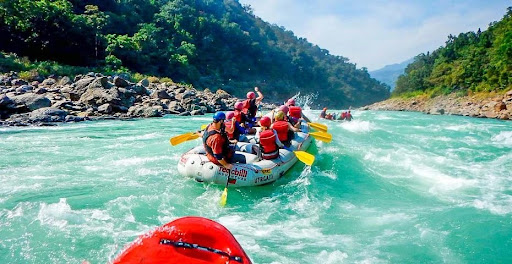
River Rafting in Rishikesh 2026: The Ultimate Adventure Guide

Priya Sharma
Travel Writer & Adventure Enthusiast
If there is one destination in India that every adventure lover has on their bucket list, it is Rishikesh. Nestled in the foothills of the Himalayas in Uttarakhand, Rishikesh sits alongside the mighty Ganges river - and the rapids here are legendary. Whether you are a first-time rafter looking for a gentle introduction or a seasoned thrill-seeker ready to take on grade IV rapids, Rishikesh has something for everyone.
Every year, thousands of travelers from across India and the world come here to experience the rush of white water rafting on the Ganges. The combination of crystal-clear glacial water, stunning Himalayan scenery, and rapids ranging from calm to fierce makes Rishikesh the undisputed river rafting capital of India.
Why Rishikesh is India's River Rafting Capital
The Ganges in Rishikesh is not your average river. Originating from the Gangotri glacier high in the Himalayas, the water here is fast, cold, and powerful - creating natural rapids that rafters dream about. The river passes through narrow gorges, open valleys, and rocky stretches, offering a constantly changing landscape that keeps the experience fresh and exciting from start to finish.
What also sets Rishikesh apart is its accessibility. Unlike many adventure destinations in India that require days of travel to reach, Rishikesh is just a 6-hour drive from Delhi. You can leave on a Friday evening, raft on Saturday morning, and be back home by Sunday night. That kind of convenience, combined with world-class rapids, is why Rishikesh consistently tops every river rafting list in India.
Best Time to Go River Rafting in Rishikesh
Timing your visit is important. The Ganges behaves very differently across seasons, and not all months are safe or suitable for rafting.
October to December - Peak Season
This is arguably the best time to visit Rishikesh for rafting. The monsoon has cleared, the water levels have settled to ideal rafting conditions, and the weather is pleasantly cool. The skies are clear and the views of the surrounding hills are stunning. Most rafting operators are fully active during this period and you will find the widest variety of packages available.
January to March - Ideal Weather
The winter months bring cold but incredibly crisp conditions. The water is chilly, but the rapids are at their most consistent and reliable. If you do not mind the cold, January to March offers some of the most thrilling rafting conditions of the year. Carry warm, quick-dry clothing and be prepared for cold water splashes.
April to May - Last Chance Before Monsoon
As the temperature climbs, so does the energy of the river. April and May see higher water flow due to snowmelt from the Himalayas, which actually intensifies the rapids and makes for a more adrenaline-packed experience. However, this is the last window before the monsoon arrives, so plan and book early if you are visiting during this time.
June to September - Avoid (Monsoon Season)
The monsoon months are a complete no-go for rafting in Rishikesh. Rainfall causes the Ganges to swell dramatically, and water levels rise to dangerous heights. Most reputable rafting operators shut down operations during this period for safety reasons. If you are visiting Rishikesh during the monsoon, enjoy the lush green scenery but save the rafting for another trip.
River Rafting Zones in Rishikesh
The rafting stretch in Rishikesh is divided into three main zones, each catering to a different skill level and appetite for adventure. Here is a breakdown of all three.
1. Brahmpuri to Rishikesh (Grade I-II) - Best for Beginners
- Distance: Approximately 9 km
- Duration: 1 to 1.5 hours
- Difficulty: Easy
This is the most beginner-friendly stretch on the Ganges and a perfect introduction to river rafting. The rapids here are gentle and the water flow is manageable, making it ideal for families, children above 14 years, and anyone who has never been rafting before. Do not let the "easy" rating fool you though - there is still plenty of fun to be had, and the scenery along this stretch is absolutely beautiful.
2. Shivpuri to Brahmpuri (Grade II-III) - Intermediate Thrill
- Distance: Approximately 16 km
- Duration: Around 3 hours
- Difficulty: Moderate
This stretch is a step up from Brahmpuri and is the most popular choice among first-time serious rafters. The rapids here are more defined and energetic, offering a genuine sense of thrill without being overly dangerous. You will pass through some gorgeous forested gorges and the Ganges feels wilder and more untamed on this section. It is the sweet spot between accessibility and excitement.
3. Kaudiyala to Marine Drive (Grade III-IV) - For the Brave
- Distance: Approximately 36 km
- Duration: Around 3 to 4 hours
- Difficulty: Challenging
This is where things get serious. The Kaudiyala stretch is designed for experienced rafters or those with a strong sense of adventure and a good fitness level. The rapids here - including the famous Eddie Whirlpool and Daniel's Dip - are powerful, unpredictable, and enormously thrilling. The sheer volume and force of the water on this stretch will test your teamwork, reflexes, and nerve. If you are up for it, this is the most memorable rafting experience Rishikesh has to offer.
River Rafting Prices in Rishikesh 2026
Prices can vary depending on the operator, season, and inclusions. Below is a general guide to help you budget:
| Rafting Zone | Approximate Price Per Person |
| Brahmpuri to Rishikesh | ₹600 - ₹800 |
| Shivpuri to Brahmpuri | ₹1,000 - ₹1,500 |
| Kaudiyala to Marine Drive | ₹2,500 - ₹3,500 |
Most packages include a life jacket, helmet, paddle, and a certified guide. Always book with a licensed and certified rafting operator. Avoid suspiciously cheap deals as they often cut corners on safety equipment and trained staff.
How to Reach Rishikesh
Getting to Rishikesh is straightforward from most major cities in North India.
By Road
Rishikesh is well connected by road to Delhi, Dehradun, Haridwar, Chandigarh, and Lucknow. From Delhi, the drive takes approximately 6 hours via the NH58 highway. State-run buses and private buses operate regularly on this route. If you prefer flexibility, renting a cab or self-driving is a great option and the drive through the Himalayan foothills is scenic and enjoyable in itself.
By Train
The nearest major railway station to Rishikesh is Haridwar, located just 24 kilometres away. Several trains connect Delhi to Haridwar including the Jan Shatabdi Express and the Shatabdi Express, with journey times of around 4 to 5 hours. From Haridwar, you can take a local bus, shared cab, or auto-rickshaw to reach Rishikesh in under an hour.
By Flight
The closest airport to Rishikesh is Jolly Grant Airport in Dehradun, approximately 25 kilometres away. Delhi's Indira Gandhi International Airport is the nearest major international hub. From either airport, taxis and app-based cabs are readily available to take you directly to Rishikesh.
What to Carry for River Rafting in Rishikesh
Packing right makes a big difference to your comfort and safety on the river. Here is what you should bring:
- Lightweight, quick-dry clothing - avoid jeans or cotton
- Secure water-resistant footwear like sports sandals or old trainers
- A change of dry clothes for after the raft
- Sunscreen with high SPF - the reflection off the water intensifies UV exposure
- Sunglasses with a secure strap
- A waterproof bag or dry bag for your phone and valuables
- A small water bottle to stay hydrated before and after
Leave all jewellery, expensive gadgets, and unnecessary cash at your accommodation.
Safety Tips for River Rafting in Rishikesh
River rafting is an adventure sport and like all adventure sports, it comes with risks. Here is how to stay safe:
- Always book with a certified rafting operator registered with the Uttarakhand Tourism board
- Never remove your life jacket during the raft, even on calmer stretches
- Listen carefully to your guide's briefing before entering the water - it could save your life
- Do not attempt high-grade rapids if you are not a confident swimmer
- Avoid rafting during or immediately after heavy rainfall as water levels change rapidly
- Keep your feet together and arms close to your body if you fall into the river - do not panic and wait for your guide to pull you back
People Also Ask
The best time for river rafting in Rishikesh is from October to May. This is the peak tourist season with ideal water levels and pleasant weather. The monsoon months of June to September should be avoided as water levels rise dangerously high.
The main rafting zones in Rishikesh are: Brahmpuri to Rishikesh (Grade I-II, ideal for beginners), Shivpuri to Brahmpuri (Grade II-III, moderately challenging), and Kaudiyala to Marine Drive (Grade III-IV, recommended for experienced rafters). Each stretch offers a different level of thrill on the Ganges river.
Yes, river rafting in Rishikesh is safe for beginners when done with a certified operator. The Brahmpuri to Rishikesh stretch is graded I-II and is specifically suited for first-time rafters. Always wear a life jacket and helmet, and follow your guide's instructions throughout the journey.
Rishikesh is accessible by road (6-hour drive from Delhi), by rail (nearest station is Haridwar, 24 km away, connected by bus or cab), and by air (Jolly Grant Airport in Dehradun is 25 km from Rishikesh with cab and bus services available).
River rafting prices in Rishikesh vary by stretch and season. The Brahmpuri stretch typically starts from INR 600-800 per person, the Shivpuri stretch ranges from INR 1,000-1,500, and the Kaudiyala stretch can cost INR 2,500-3,500 per person. Prices may include life jackets, helmets, and guide fees.
The Kaudiyala to Marine Drive stretch is the most thrilling rafting zone in Rishikesh, graded between III and IV. It spans approximately 10 kilometers and features exciting rapids like Eddie Whirlpool and Daniel's Dip. It is recommended only for experienced or adventure-seeking rafters.